In brief: Toronto hosts tens of thousands of Ukrainian residents across multiple neighborhoods. The community maintains a strong cultural identity through churches, schools, festivals and community organizations, while actively contributing to the city's economy in sectors ranging from IT to healthcare. For newcomers, the student visa pathway remains one of the most accessible routes to building a life in Canada's largest city.
A Long History of Ukrainian Immigration to Toronto
Ukrainian migration to Canada began in the late 19th century, but Toronto became a major hub during the 20th century. Early Ukrainian immigrants settled primarily in Western Canada on agricultural land, yet Toronto gradually emerged as a center for education, business and cultural organizations as urbanization accelerated across the country.
Several distinct waves of immigration shaped the community:
- Post-World War II political refugees who brought intellectual and professional expertise
- Economic migrants in the 1990s fleeing the chaos of post-Soviet transition
- A significant influx after 2014 following the conflict in eastern Ukraine
- A major new wave after 2022 as Canadians opened their doors to those fleeing war
By 2026, Toronto hosts tens of thousands of Ukrainian residents, including permanent citizens, international students and temporary residents on various visa programs. The community continues to grow as Canada maintains its position as one of the top destinations for Ukrainian emigrants worldwide. For the full story of 130 years of Ukrainian immigration to Canada, see our dedicated article.
For the broader context of how Canada shaped its relationship with Ukrainian immigrants, see our article on how Canada tamed the Ukrainian diaspora.
Where Ukrainians Live in Toronto
Ukrainians in Toronto are not confined to a single neighborhood. Unlike some immigrant communities that cluster tightly in one district, the Ukrainian population has spread across the metropolitan area while maintaining notable concentrations in specific zones:
- Bloor West Village: A historic heart of Ukrainian cultural life in Toronto, home to churches, cultural organizations and Ukrainian-owned businesses
- Etobicoke: A suburban area with a significant Ukrainian population, featuring community centers and religious institutions
- North York: Home to newer arrivals and growing Ukrainian community services
- Mississauga (Greater Toronto Area): A rapidly expanding Ukrainian community in the broader GTA
These areas feature Ukrainian churches, cultural centers, grocery stores stocking authentic Ukrainian products, and community organizations that help newcomers integrate while preserving their heritage. You can find Ukrainian stores selling products imported from Ukraine or made according to traditional recipes, offering a taste of home in a new land.
What Makes Toronto Unique
Toronto is a modern Babylon. The city's diversity is unmatched anywhere in the world, with residents from virtually every country represented in its neighborhoods, restaurants, stores, media and houses of worship. In addition to the Anglo-Saxon majority, Toronto is home to Chinese, Korean, Filipino, Indian, Pakistani, Jewish, Iranian, Polish, Ukrainian and Afro-Canadian communities, among many others.
Canadians are generally very polite and considerate to each other. People hold doors, thank you sincerely, apologize for accidental contact, smile when making eye contact, and offer to help strangers. This culture of courtesy extends throughout the transit system, stores and public spaces, creating an environment where newcomers from diverse cultural backgrounds quickly adapt to what many describe as the "lighter side" of urban life.
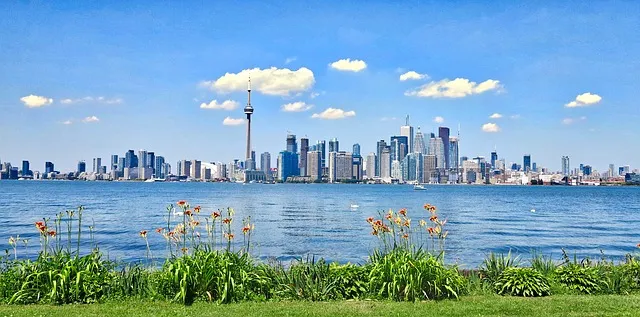
The Greater Toronto Area (GTA) spans more than 7,000 square kilometers with 6 million people, making it the largest metropolitan area in Canada. The downtown core offers everything a modern metropolis deserves: the iconic half-kilometer-high CN Tower, colorful restaurants for every taste, streets of skyscrapers, beloved parks and squares, and the waterfront of Lake Ontario with the world-renowned St. Lawrence Market and its 200 years of history.
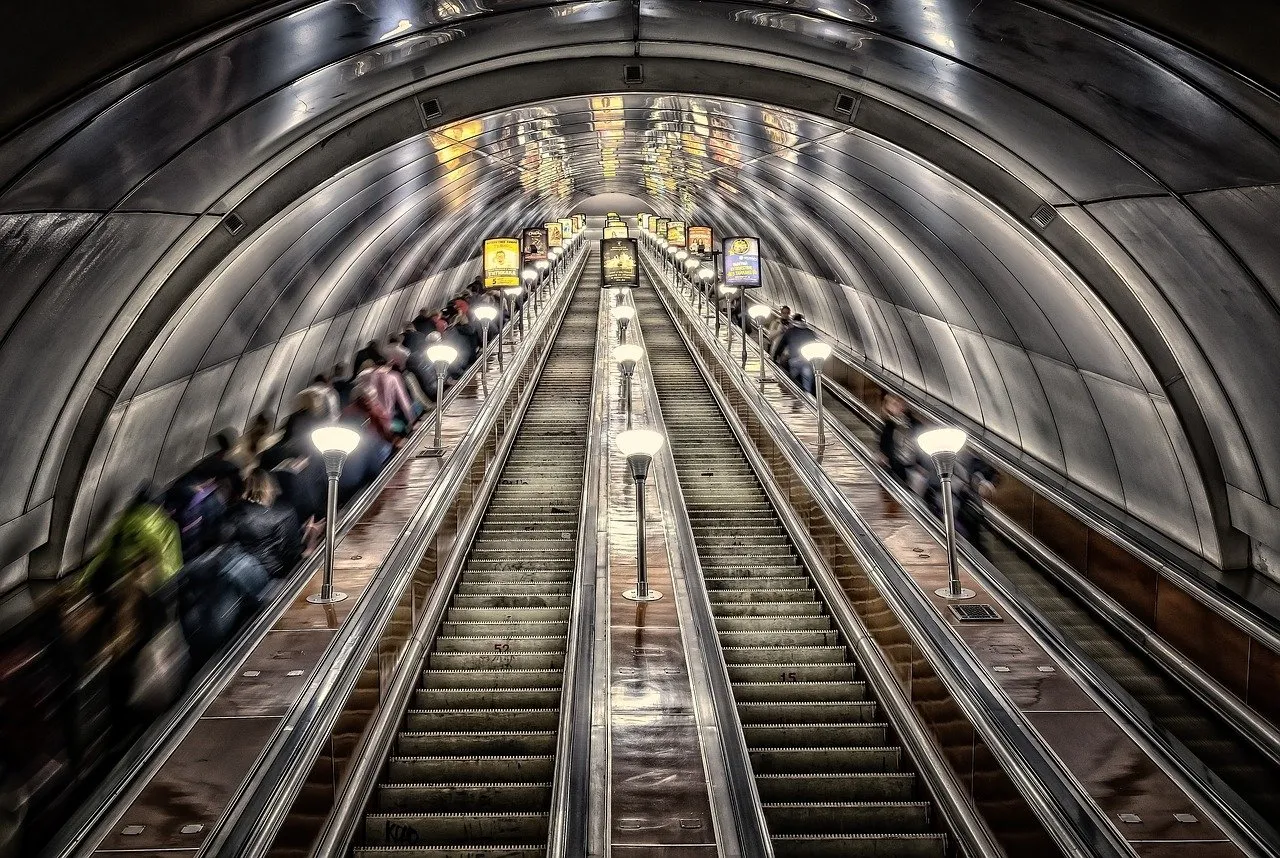
One distinctive feature is PATH, a 30-kilometer underground city that allows residents to navigate between homes, offices, shops and transit stations without ever stepping outdoors. Many residential buildings have direct subway entrances, letting commuters walk from their apartment to the subway, ride to work, and enter their office building entirely indoors.
Cultural Life and Community Institutions
Ukrainian culture remains highly visible in Toronto, supported by a robust network of institutions that have been built over generations. The city hosts:
- Ukrainian Orthodox and Catholic churches that serve as spiritual and social anchors for the community
- Cultural centers and museums preserving Ukrainian history, art and heritage
- Ukrainian language schools where children learn to read, write and speak Ukrainian
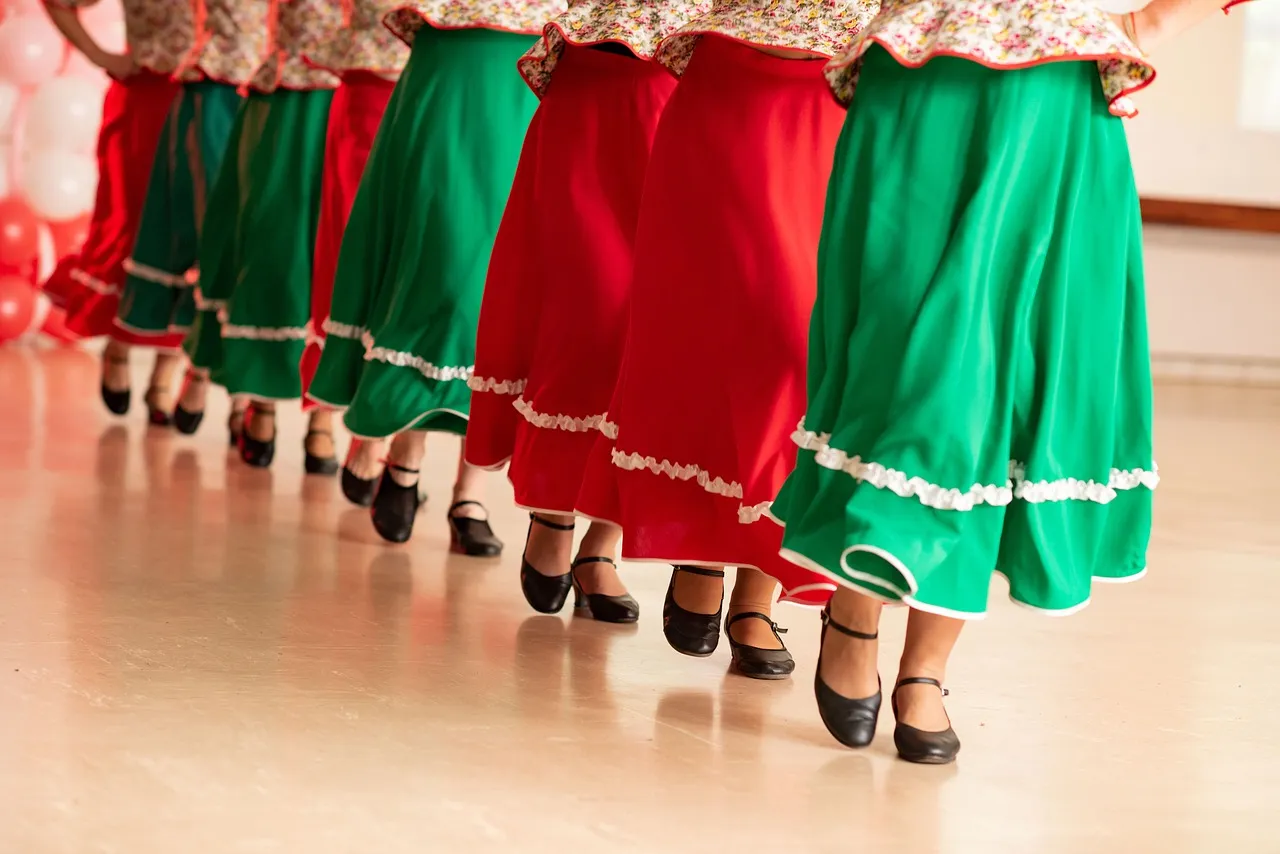
- Folk dance ensembles and choirs that perform at local and national events
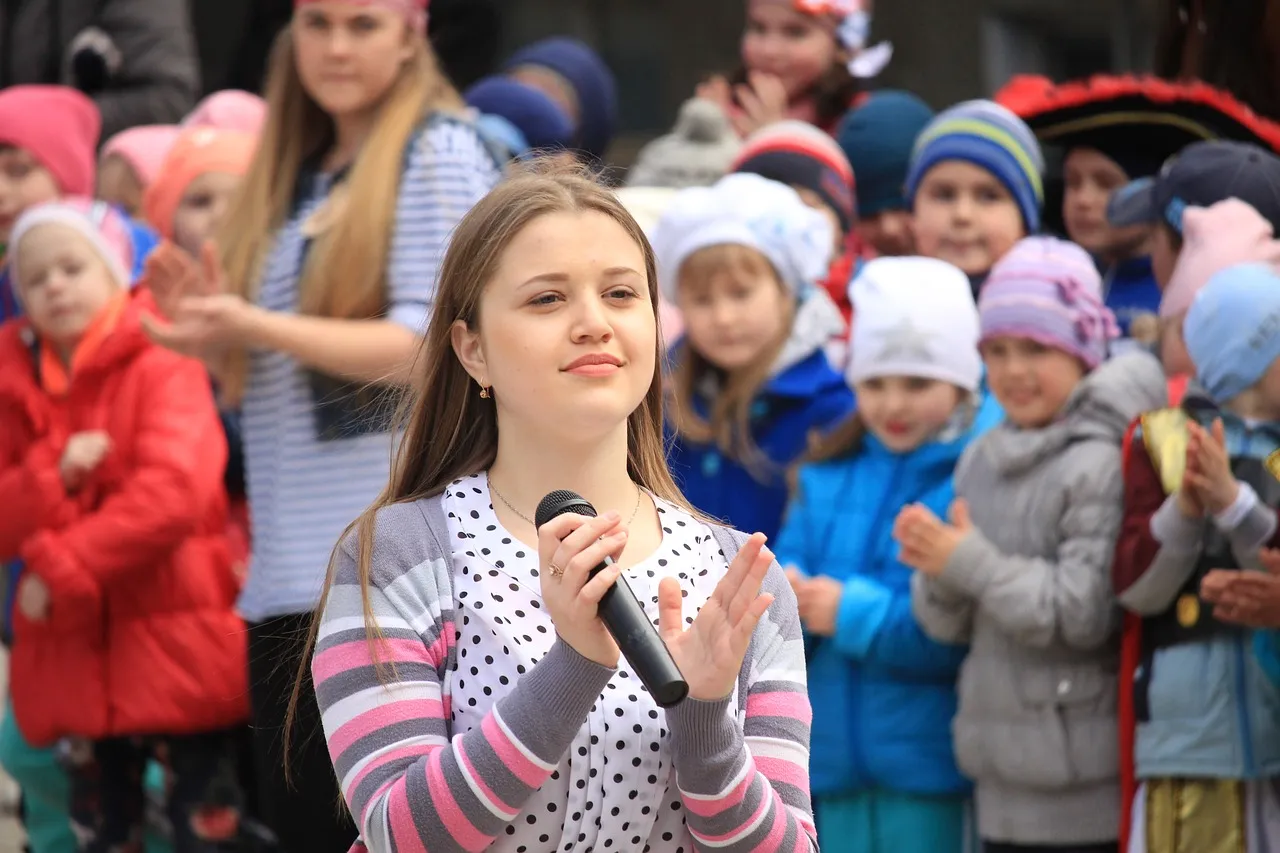
Major events such as Ukrainian festivals, Independence Day celebrations and charity fundraisers strengthen community bonds and attract wider Canadian participation. The Ukrainian community is also a colorful presence at city-wide events like Canada Day, where participants dressed in traditional embroidered shirts and folk costumes stand out among the multicultural parade.
Toronto's cultural calendar is packed from spring to fall. Many events take place in an open format on streets, in parks and on the waterfront. The city also has a serious relationship with film: it hosts the Toronto International Film Festival (TIFF) every September, drawing Hollywood celebrities and film enthusiasts from around the world.
Integration into the Toronto Economy
Ukrainians in Toronto are active across many sectors of the local economy. Their contributions span both traditional trades and knowledge-based industries:
| Sector | Typical Roles | Credential Recognition |
|---|---|---|
| Construction and Skilled Trades | Electricians, carpenters, plumbers | Trade certification required |
| Information Technology | Software developers, data analysts, QA | Portfolio and experience valued |
| Healthcare and Caregiving | Nurses, personal support workers | Canadian licensing needed |
| Education and Research | Teachers, university researchers | Credential assessment required |
| Entrepreneurship | Small business owners, freelancers | Business registration process |
Recent arrivals often bring strong educational backgrounds and multilingual skills, making them competitive in Canada's job market. Despite initial challenges such as credential recognition and the need for Canadian work experience, many Ukrainians achieve economic stability within a few years of arrival.
Various associations supporting Ukrainian entrepreneurs exist in Toronto, helping newcomers start businesses and find Canadian partners. For those interested in the broader immigrant experience, our guide on the Canadian way of life and immigrant adaptation provides practical insights.
The Student Path: How Ukrainians Move to Toronto
For many Ukrainians, the student visa is the most accessible pathway to building a life in Toronto. Getting a work visa directly is extremely difficult: an employer must prove that no Canadian citizen is suitable for the position and complete extensive legal paperwork. Unless you are in a highly specialized field or being relocated by a company from its Ukrainian office, this route is rarely practical.
Getting a student visa, by contrast, is relatively straightforward. The process involves:
- Confirming your English level with IELTS or TOEFL
- Applying to a Canadian college or university
- Paying at least the first semester's tuition
- Obtaining a study permit from the Canadian consulate
A student visa provides temporary resident status, which allows you to work legally: part-time during the academic term and full-time during vacations and internships. It also includes health insurance coverage. After completing your studies, you are entitled to an open work visa for at least the duration of your program. Your spouse is immediately eligible for an open work visa for the same period.
The entire process from initial research to receiving work and study permits typically takes about six months. During that time, many newcomers become comfortable speaking English, start understanding local realities, and begin building professional networks. For more information on how the broader Ukrainian community lives across Canada, see our article about how the Ukrainian diaspora lives in Canada.
Social Challenges and Adaptation
While Toronto provides safety and opportunity, Ukrainians face several challenges when building a new life in the city:
- High housing costs: Toronto is one of the most expensive cities in Canada for real estate and rentals
- Cultural adaptation: Adjusting to Canadian social norms, workplace culture and daily routines takes time
- Emotional stress: Many recent arrivals carry the burden of worrying about family and friends still in Ukraine
- Credential recognition: Professional qualifications from Ukraine may not be automatically recognized
- Social isolation: Despite community support, newcomers can feel disconnected during their first months
Community organizations and Canadian institutions have expanded support services significantly since 2022. These include language training programs, mental health resources, employment assistance, and settlement services specifically designed for Ukrainian newcomers. The diaspora's strong internal networks mean that no Ukrainian arriving in Toronto is truly alone, as community members actively help with everything from finding apartments to navigating the healthcare system.
Common Mistakes Newcomers Make
- Expecting immediate credential recognition: Plan for an assessment and possible bridging programs
- Underestimating housing costs: Research neighborhoods thoroughly before committing to a lease
- Isolating themselves from the community: Attend Ukrainian cultural events and connect with community organizations early
- Ignoring language skills: Even with functional English, investing in advanced language training pays dividends
- Overlooking the student pathway: Education is often the most reliable route to permanent residency
The Future of Ukrainians in Toronto
In 2026, the Ukrainian community in Toronto continues to grow, evolve and integrate. While maintaining strong cultural roots through churches, schools and festivals, Ukrainians actively contribute to the city's diversity, economy and social cohesion. Second-generation Ukrainian Canadians often grow up bilingual, combining Canadian identity with Ukrainian cultural values, and education is viewed as a cornerstone of long-term success.
Toronto is no longer just a destination. It is a second home for Ukrainians building long-term lives while remaining deeply connected to their heritage. The specifics of the Ukrainian diaspora living in Canada are especially visible in Toronto, where old and new generations of immigrants coexist. The city's multicultural environment, economic opportunities and supportive community infrastructure make it one of the best places in the world for Ukrainian immigrants to thrive. As the community continues to grow, its influence on Toronto's cultural and political landscape will only deepen.
Ukrainians in Toronto are increasingly visible in civic life, participating in advocacy for Ukraine, local politics and NGOs, fundraising and humanitarian aid efforts. Toronto has become a major center for international awareness and support related to Ukraine, cementing the city's role as a bridge between Canada and the Ukrainian homeland.
Toronto's Ukrainian Neighborhoods in 2026
The geographic footprint of the Ukrainian community in Toronto has shifted considerably over the past decade. While earlier generations concentrated in a handful of inner-city blocks, the community now stretches across the entire Greater Toronto Area, from the lakefront to the outer suburbs. Each neighborhood carries its own character, shaped by the particular wave of immigration that settled there. Understanding where Ukrainians in Toronto live today requires looking at both the historic cores and the rapidly growing suburban pockets that have emerged since 2022.
Bloor West Village and Roncesvalles: The Historical Heart
Bloor West Village, running along Bloor Street West between Jane Street and Runnymede Road, remains the symbolic center of Ukrainian life in Toronto. The neighborhood's association with the community dates back to the postwar era, when displaced persons from Ukraine established churches, cooperative stores and cultural halls along this commercial strip. Today, visitors walking along Bloor Street between High Park and Jane stations on the TTC's Line 2 can still find Ukrainian bakeries selling medovik and pampushky, gift shops carrying vyshyvanky (embroidered shirts), and bookstores with Ukrainian-language titles.
St. Volodymyr Ukrainian Orthodox Cathedral, located on Benson Avenue just south of Bloor, is one of the most recognizable landmarks in the area. Built in the mid-twentieth century, its golden domes are visible from several surrounding streets and the church continues to hold regular services in Ukrainian. A few blocks east, the Roncesvalles corridor adds to the cultural density: although primarily associated with the Polish community, it hosts several mixed Slavic businesses and cultural spaces where Ukrainian residents are well represented.
Despite gentrification and rising property values that have pushed some families further west, Bloor West Village retains its role as a gathering point. Community events, fundraisers and seasonal bazaars still draw Ukrainians from across the GTA back to this historic strip. The neighborhood's walkability, proximity to High Park and direct subway access make it especially attractive to younger professionals who want to live near the cultural institutions their parents and grandparents built. For a deeper look at how the broader community of Ukrainians in Canada is structured, see our dedicated overview.
North York and the Bathurst Corridor: A Growing Hub
North York, particularly the stretch along Bathurst Street between Sheppard Avenue and Steeles Avenue, has emerged as a significant residential area for Ukrainian families over the past fifteen years. The neighborhood's appeal lies in its relatively affordable (by Toronto standards) apartment towers, good public schools and convenient transit links via the Yonge-University subway line and multiple bus routes.
Several Ukrainian Saturday schools operate in North York, offering language instruction, cultural programming and preparation for the Ukrainian matriculation examinations that some families value for maintaining ties to the homeland. Community gathering spaces in rented church halls and recreation centers host regular events, from holiday concerts at Christmas and Easter to summer picnics in Earl Bales Park. The area around Bathurst and Finch has also become known for small Ukrainian-owned businesses, including accounting firms, dental practices and immigration consultancies that serve the community in both Ukrainian and English.
Newer arrivals who came to Canada through the CUAET program have gravitated toward North York in part because of the rental stock available in its high-rise corridors and the presence of established community members who can help with orientation. This organic settlement pattern means that North York now rivals Bloor West Village in terms of sheer numbers of Ukrainian residents, even if it lacks the same density of visible cultural landmarks.
Etobicoke: The Postwar Legacy
Etobicoke, the western borough of Toronto stretching from the Humber River to the Mississauga border, has been home to Ukrainians since the late 1940s and 1950s. Postwar settlers, many of whom were skilled tradespeople and professionals, purchased modest bungalows along streets like Royal York Road, Islington Avenue and Kipling Avenue, establishing a suburban community rooted in parish life. St. Josaphat Ukrainian Catholic Cathedral on Franklin Avenue in the Bloor West area of Etobicoke is one of the most important Catholic parishes in the Ukrainian Canadian community, drawing worshippers from across the western GTA.
The Etobicoke Ukrainian community tends to be multigenerational. Third- and fourth-generation families still attend the same churches their grandparents helped build, and many are active in local politics, school boards and business associations. The area along Dundas Street West and Bloor Street West in central Etobicoke features several Ukrainian-adjacent businesses, from catering companies specializing in varenyky and holubtsi to construction firms and real estate agencies operated by community members.
Mississauga, Brampton and the Outer GTA: CUAET Arrivals
The most dramatic demographic shift in the Ukrainian community since 2022 has occurred in the outer suburbs of the Greater Toronto Area. Mississauga and Brampton, cities immediately west of Toronto with populations exceeding 800,000 and 700,000 respectively, have absorbed a large share of CUAET arrivals and other recent Ukrainian immigrants. Lower rental costs compared to the City of Toronto proper, combined with access to employment in logistics, warehousing and light manufacturing along the Highway 401 and 407 corridors, have made these cities practical landing zones for families starting over.
Community hubs have sprung up in response. Settlement agencies in Mississauga now employ Ukrainian-speaking counsellors, and informal support networks operate through social media groups with thousands of members. Churches in Mississauga, including parishes that were originally established by other Eastern European communities, have opened their doors to Ukrainian congregations for Saturday and Sunday services. The Square One area in central Mississauga and the Bramalea corridor in Brampton both host regular Ukrainian community gatherings in rented halls and community centers.
East York and Scarborough: Emerging Pockets
While not traditionally associated with the Ukrainian community, East York and Scarborough have seen modest but noticeable growth in Ukrainian residents since the mid-2010s. East York, with its tree-lined streets of semi-detached homes around Danforth Avenue and Coxwell Avenue, appeals to young Ukrainian couples and families priced out of the western neighborhoods. Scarborough, the vast eastern borough stretching from Victoria Park Avenue to the Rouge River, offers some of the most affordable housing in the City of Toronto and has attracted both students attending the University of Toronto Scarborough Campus and families seeking larger living spaces.
These eastern communities are still developing their institutional infrastructure. Rather than dedicated Ukrainian cultural centers, residents tend to connect through online groups, informal meetups at local parks and cafes, and trips to the established churches and organizations in the west end. However, as the population grows, there are early signs of more permanent community structures taking root, including Ukrainian language playgroups and small business networking circles. The full story of how Ukrainian settlement patterns have evolved across the country is covered in our article on Ukrainian immigration history.
Community Organizations and Churches
The institutional backbone of the Ukrainian community in Toronto is among the most developed of any diaspora group in Canada. Over more than a century of organized community life, Ukrainians in Toronto have established a dense network of religious, cultural, educational and civic organizations that serve both long-established residents and newcomers. These institutions are not merely social clubs; they function as pillars of identity preservation, political advocacy and mutual aid that have proven especially vital during periods of crisis, most recently during the full-scale war that began in 2022.
Advocacy, Education and Youth Organizations
The Ukrainian Canadian Congress (UCC), Toronto Branch is the primary political and advocacy body representing the community at the municipal and provincial levels. The Toronto branch coordinates with the national UCC headquarters in Winnipeg and acts as a liaison between Ukrainian community organizations and Canadian government institutions. Its activities include organizing rallies, lobbying elected officials on issues related to Ukraine, coordinating humanitarian aid shipments and publishing community newsletters. The UCC Toronto branch draws on a network of several dozen affiliated organizations and has an active volunteer base estimated at several hundred individuals.
The St. Volodymyr Institute, located on Pears Avenue near the Avenue Road and Davenport Road intersection, is one of the most important cultural and educational centers in the community. Originally established as a student residence and cultural hub, the Institute hosts lectures, art exhibitions, film screenings and community meetings. It also provides affordable accommodation for Ukrainian students attending the University of Toronto and other nearby institutions.
The Ukrainian National Federation (UNF) operates a hall on College Street that has served as a venue for community events, dances, banquets and political meetings for decades. The UNF Toronto branch maintains a library of Ukrainian-language books and periodicals and organizes cultural programming aimed at preserving Ukrainian heritage among younger generations.
Plast Ukrainian Youth Association, the largest Ukrainian scouting organization in the diaspora, maintains an active Toronto branch with approximately 200 to 300 registered members ranging from preschool age to young adults. Plast Toronto organizes weekly meetings, summer camps at the Pysanyi Kamin campsite north of the city, hiking excursions and community service projects. The organization plays a critical role in transmitting the Ukrainian language and cultural values to children growing up in an English-dominant environment. For a broader perspective on Ukrainian community structures across the country, see our article on the community of Ukrainians in Canada.
The Ukrainian Credit Union (UCU), with branches in Toronto and several GTA locations, provides financial services to the community, including savings accounts, mortgages and small business loans. Founded in the postwar era to serve immigrants who faced barriers accessing mainstream Canadian banks, the UCU today manages assets worth hundreds of millions of dollars and serves thousands of members. It remains a trusted institution within the community, sponsoring cultural events and providing scholarships to Ukrainian Canadian students.
Churches and Religious Life
Religious institutions have historically formed the core of Ukrainian community life in Toronto, and this remains true in 2026. The two major Christian traditions within the Ukrainian community, Orthodox and Greek Catholic (also known as Ukrainian Catholic), each maintain multiple parishes across the GTA.
St. Andrew's Ukrainian Orthodox Cathedral, situated on Bathurst Street south of Bloor, is one of the oldest and most prominent Orthodox parishes in Toronto. The cathedral, with its distinctive architecture and iconostasis, serves as the seat of the local Ukrainian Orthodox hierarchy and hosts services in Ukrainian throughout the year. Its parish hall is a frequent venue for community dinners, lectures and holiday celebrations.
On the Catholic side, St. Josaphat Ukrainian Catholic Cathedral on Franklin Avenue and several smaller parishes across the city serve the Greek Catholic faithful. These parishes follow the Byzantine liturgical tradition, conducting services in Ukrainian and occasionally in English to accommodate younger, English-dominant parishioners. The Catholic parishes are particularly active in charitable work, organizing collections for humanitarian aid to Ukraine and supporting refugee resettlement efforts through parish-based volunteer committees.
Beyond the two major denominations, Toronto also hosts smaller Ukrainian Evangelical and Baptist congregations, as well as non-denominational prayer groups that have formed among recent CUAET arrivals. The diversity of religious expression within the community reflects both the regional origins of different immigration waves and the evolving spiritual needs of a diaspora community spread across a vast metropolitan area.
Festivals, Media and Memorials
The Toronto Ukrainian Festival, held annually in September along Bloor Street West in the heart of Bloor West Village, is the single largest public celebration of Ukrainian culture in the city. The festival typically attracts tens of thousands of visitors over a weekend, featuring live music and dance performances on outdoor stages, food vendors serving traditional dishes such as varenyky, borscht and kovbasa, artisan markets with embroidery and ceramics, and children's activities. The event is organized by a volunteer committee drawn from multiple community organizations and receives support from the City of Toronto and local business improvement areas.
Kontakt Ukrainian Television, broadcasting from Toronto, provides Ukrainian-language news, cultural programming and community announcements to viewers across Canada. Kontakt has been on the air for several decades and has adapted to the digital era by offering streaming content and maintaining an active social media presence. It serves as an important link between the diaspora and current events in Ukraine, particularly for older community members who prefer consuming media in their native language.
One of the most significant memorial sites in Toronto is the Holodomor Memorial at Exhibition Place, near the Canadian National Exhibition grounds on the city's waterfront. The memorial commemorates the millions of Ukrainians who perished during the Soviet-engineered famine of 1932-1933. Dedicated through the efforts of the Ukrainian Canadian community and recognized by the Canadian government, the memorial serves as both a place of remembrance and an educational resource. Annual commemorative ceremonies are held at the site each November, drawing community leaders, elected officials and members of the public. The history of the Holodomor and its impact on Ukrainian national consciousness is explored further in our article on the history of Ukraine.
Taken together, these organizations, churches, festivals and memorials form an institutional ecosystem that sustains the identity and cohesion of the Ukrainian community in Toronto. While the community faces the perennial challenge of balancing integration with heritage preservation, the depth and breadth of its organizational life suggest that Ukrainians in Toronto are well positioned to maintain their distinct cultural presence for generations to come.