In brief: The Ukrainian diaspora in Canada numbers between 1.5 and 2.5 million people, making it the eighth largest ethnic community in the country. It is divided into two distinct groups: fully integrated descendants of 19th-century agricultural settlers, and recent arrivals focused on building new lives. Both groups actively preserve Ukrainian culture and influence Canadian politics, though they operate largely through separate institutions and social networks.
Early Waves of Ukrainian Immigration
Ukrainian immigration to Canada began in the late 19th century, driven by economic hardship, lack of land and political oppression in regions such as Galicia and Bukovina within the Austro-Hungarian Empire. The empire imposed heavy fees on its subjects, persecuted Orthodox Christianity, suppressed the local language, and attempted to Germanize the population. These conditions pushed approximately 100,000 people to leave in whole villages, seeking a better life across the Atlantic.
Canada seemed like paradise to these early settlers: land was abundant, taxes were virtually nonexistent, and there was complete cultural autonomy. Nobody forced immigrants to speak English or practice a particular religion. Between 1891 and 1914, over 170,000 Ukrainians arrived in Canada, settling primarily in Manitoba, Saskatchewan and Alberta. These provinces, with their vast agricultural potential, attracted settlers who came from the agrarian heartlands of the Austro-Hungarian Empire.
These early settlers transformed prairie land into productive farms and laid the foundations of Ukrainian community life in Canada. Their descendants remain concentrated in these provinces to this day, forming the bedrock of what is now one of the most organized ethnic communities in the Western world.
Challenges and Resilience
The first generations of Ukrainian immigrants faced numerous difficulties that tested their resolve:
- Harsh climate conditions: The Canadian prairies were unforgiving, with brutal winters and short growing seasons
- Language barriers: Most arrivals spoke only Ukrainian or related dialects
- Social discrimination: Anglo-Canadian society initially viewed Eastern European immigrants with suspicion
- Economic hardship: Starting farms on raw land with minimal resources demanded years of backbreaking labor
During World War I, the situation worsened dramatically. Many Ukrainian Canadians were classified as "enemy aliens" due to their Austro-Hungarian origins and were interned in camps across the country. According to Canadian historians, a total of 24 camps operated during this period. Prisoners endured grueling physical labor, inadequate food rations and brutal living conditions. Many died of illness or despair.
Despite this dark chapter, for which the Canadian government later apologized, the community remained resilient. Ukrainians organized cultural, religious and educational institutions that preserved their heritage. Churches became social anchors, and community halls served as gathering places where language, music and tradition were kept alive. For a deeper analysis of how Canada managed this process, see our article on how Canada tamed the Ukrainian diaspora.
Two Kinds of Ukrainian Canadians
The modern Ukrainian diaspora in Canada is divided into two fundamentally different groups, each with its own identity, institutions and relationship to Canadian society.
The first group consists of descendants of those who arrived in the 19th century. They are perfectly integrated, one hundred percent Canadian. A very large number of people with Ukrainian roots serve as members of provincial governments and parliaments, and some have risen to the federal level. They have their own established churches, societies and cultural organizations built over generations.
The second group consists of people who arrived in the last 20 to 25 years. They are primarily focused on building their own lives: finding work, establishing homes, navigating the immigration system. They are less engaged in politics and more concerned with practical matters of daily survival and advancement.
There is surprisingly little connection between these two categories. The established community, descended from 19th-century settlers, maintains its own churches and societies. While they welcome newcomers and are genuinely hospitable, the attitude toward recent arrivals is subtly different. The newer arrivals, in turn, have formed their own schools, which function largely as folklore groups, and their own social networks.
| Characteristic | Established Diaspora (19th-Century Descendants) | Recent Immigrants (Last 20-25 Years) |
|---|---|---|
| Integration level | Fully integrated Canadian citizens | In process of integration |
| Political engagement | High: MPs, provincial officials, lobbyists | Low to moderate: focused on personal settlement |
| Community institutions | Established churches, societies, cultural centers | Informal networks, folk groups, social media |
| Cultural identity | Ukrainian-Canadian hybrid identity | Strongly Ukrainian, adapting to Canadian life |
| Language | Primarily English, some heritage Ukrainian | Ukrainian primary, learning English |
| Geographic concentration | Manitoba, Saskatchewan, Alberta | Ontario (Toronto), Alberta (Edmonton, Calgary) |
Multiculturalism and Integration
Canada's adoption of official multiculturalism in 1971 marked a turning point for the Ukrainian diaspora. Rather than forcing assimilation, Canada supported cultural preservation alongside civic integration. This policy enabled Ukrainian-language education, cultural festivals and heritage programs, greater political participation, and institutional recognition of Ukrainian organizations.
As a result, the Ukrainian diaspora became one of the most structured and influential ethnic communities in the country. Ukrainian immigrants, in fact, became fighters for advanced multiculturalism, advocating not just for their own community but for the broader principle that ethnic identity and national belonging could coexist. For an in-depth look at how this played out across different regions and generations, see our article on Ukrainians in Canada.
This approach allowed Ukrainians in Canada to integrate without losing their heritage. Children attend Ukrainian language schools, participate in folk dance ensembles, and celebrate traditional holidays while simultaneously pursuing Canadian education and career paths. The result is a community that is both deeply Ukrainian and thoroughly Canadian.
Political Influence of the Diaspora
The political influence of the Ukrainian diaspora in Canada should not be underestimated. Both the established and recent immigrant communities are active lobbyists, promoters and advocates of Ukrainian interests within Canada.
Everything connected with Canada's policy toward Ukraine is shaped in part by the Ukrainian lobby within the Canadian government. This is not because the government independently decided to support Ukraine but because organized advocacy from the diaspora promotes specific positions at the policy level.
Ethnic Ukrainians who achieved success on the Canadian political scene include figures like William Hawrylyshyn, Edward Stelmach (former Premier of Alberta), and Ramon Hnatyshyn (former Governor General of Canada). The Ukrainian diaspora thus carries significant political and economic weight in Canada, far greater than might be expected given the community's size relative to the total population.
For more on how Ukrainian communities organize across the country, read our article about the community of Ukrainians in Canada.
Cultural and Social Contributions
The Ukrainian diaspora has enriched Canadian culture through numerous contributions that are now recognized as integral to the country's multicultural identity:
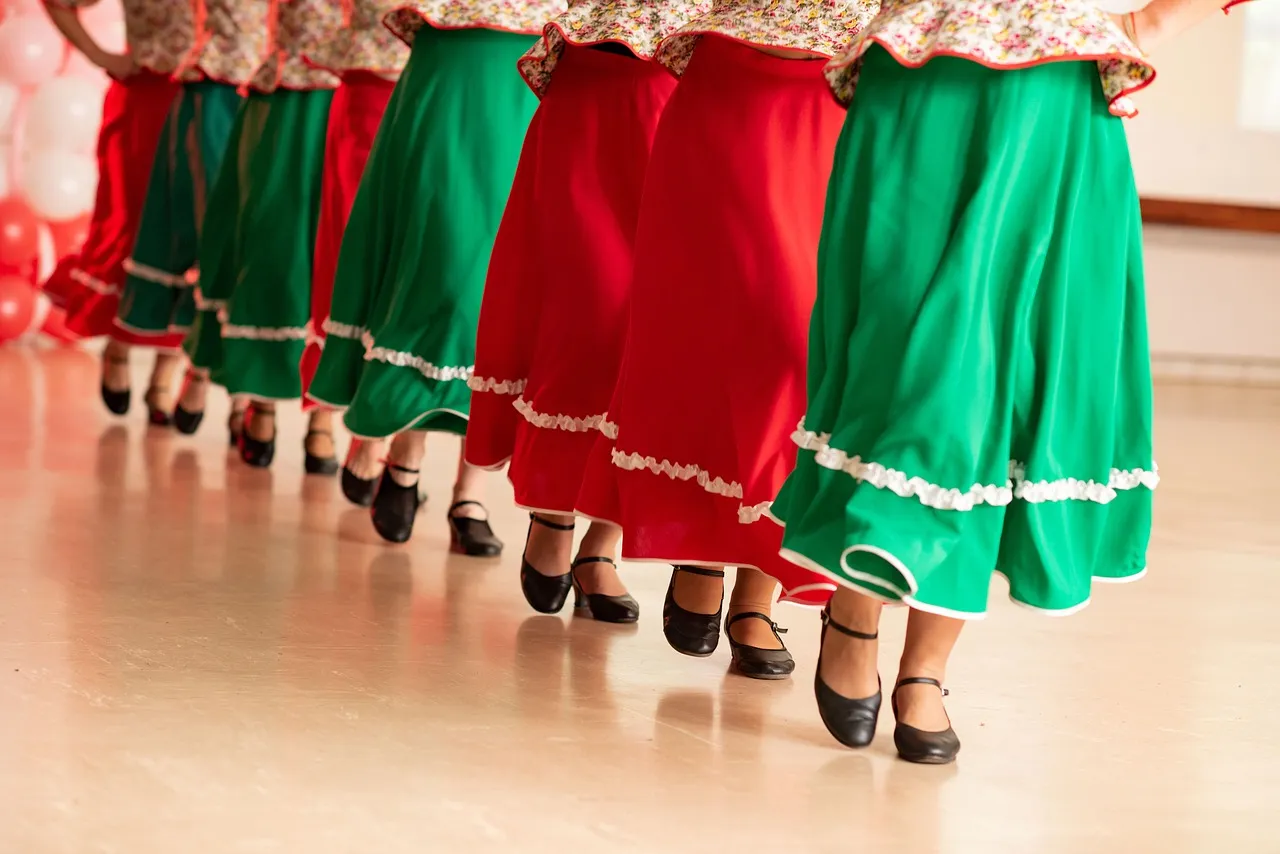
- Traditional dance and music ensembles that perform at local, provincial and national events
- Ukrainian cuisine such as perogies, borscht and holubtsi, which have become Canadian staples
- Literature, art and film that explore the Ukrainian-Canadian experience
- Community festivals celebrating Ukrainian heritage throughout the year
The Ukrainian community is a colorful presence at virtually every major Canadian holiday. At Canada Day parades and St. Patrick's Day celebrations, the Ukrainian contingent stands out with traditional embroidered shirts, folk costumes and energetic dance performances. Against the backdrop of other cultural groups, the Ukrainian presence is both visually striking and deeply appreciated by the broader public.
Ukrainian stores across Canadian cities sell products imported from Ukraine or made according to traditional recipes, providing a taste of home for immigrants and introducing Canadian consumers to Eastern European cuisine. These businesses form an important part of the economic contribution that the diaspora makes to local communities.
Impact of Recent Events
Since 2014, and especially following the full-scale invasion of Ukraine in 2022, the Ukrainian diaspora has taken on a renewed role in Canadian public life. The community has been instrumental in supporting Ukrainian refugees, organizing humanitarian aid, and influencing public awareness and policy discussions.
Canada has responded with major refugee programs and humanitarian initiatives, further strengthening ties between Ukraine and its diaspora. The CUAET (Canada-Ukraine Authorization for Emergency Travel) program alone welcomed hundreds of thousands of Ukrainians, dramatically expanding the recent immigrant group and reshaping the demographic balance within the diaspora.
The diaspora's support networks have proven invaluable for newcomers. Community members help with everything from finding housing to navigating the healthcare system, from understanding employment regulations to connecting with cultural organizations. The strength of these networks is one of the key factors that attracts Ukrainians to Canada over other potential destinations.
For those considering immigration, our guide to Ukrainians in Canada provides comprehensive information about the experience of building a new life in the country.
Practical Advice for New Immigrants
If you are a Ukrainian considering immigration to Canada or recently arrived, here are key recommendations based on the experience of the diaspora:
- Connect with the community immediately: Seek out Ukrainian churches, cultural centers and community organizations in your area
- Invest in language skills: Strong English (or French, in Quebec) is essential for economic success
- Understand credential recognition: Professional qualifications from Ukraine may require assessment and bridging programs
- Explore the student pathway: Education in Canada often leads to work permits and permanent residency
- Leverage diaspora networks: Associations supporting Ukrainian entrepreneurs can help with business connections and mentorship
Common Mistakes to Avoid
- Isolating yourself from both communities: Connect with both the established diaspora and recent arrivals for different types of support
- Expecting the community to be monolithic: The diaspora includes people with diverse political views, religious affiliations and cultural practices
- Neglecting Canadian civic participation: Voting, volunteering and engaging in local politics strengthens both your position and the community's influence
- Underestimating integration time: Building a stable life in Canada typically takes 3 to 5 years of sustained effort
- Ignoring mental health: The stress of immigration, combined with worry about events in Ukraine, requires active management