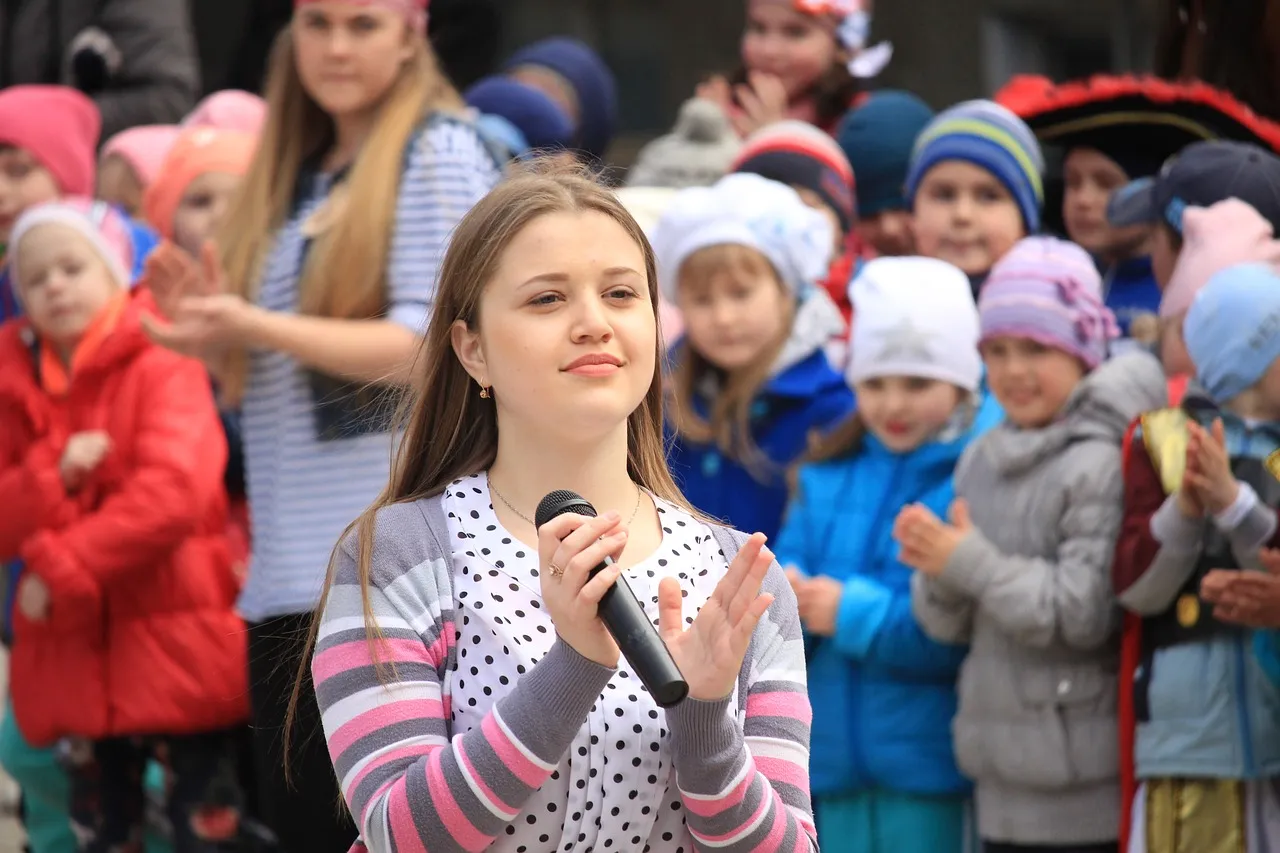
In brief: Ukrainian culture and traditions have thrived in Canada for over 130 years, becoming integral to the country's multicultural identity. From Easter pysanky and Christmas Eve's twelve-dish supper to folk dance, embroidery, music and beloved foods like perogies, Ukrainian heritage is celebrated at festivals, in churches, schools and homes across every province. Ukrainian-Canadian advocacy even helped inspire Canada's official multiculturalism policy.
Easter Traditions: Pysanky, Basket Blessing and Sviachene
Easter is arguably the most visually stunning and spiritually significant celebration in Ukrainian-Canadian life. The traditions surrounding it are ancient, deeply symbolic and remarkably well preserved in Canada, often maintained with even greater devotion than in modern-day Ukraine itself.
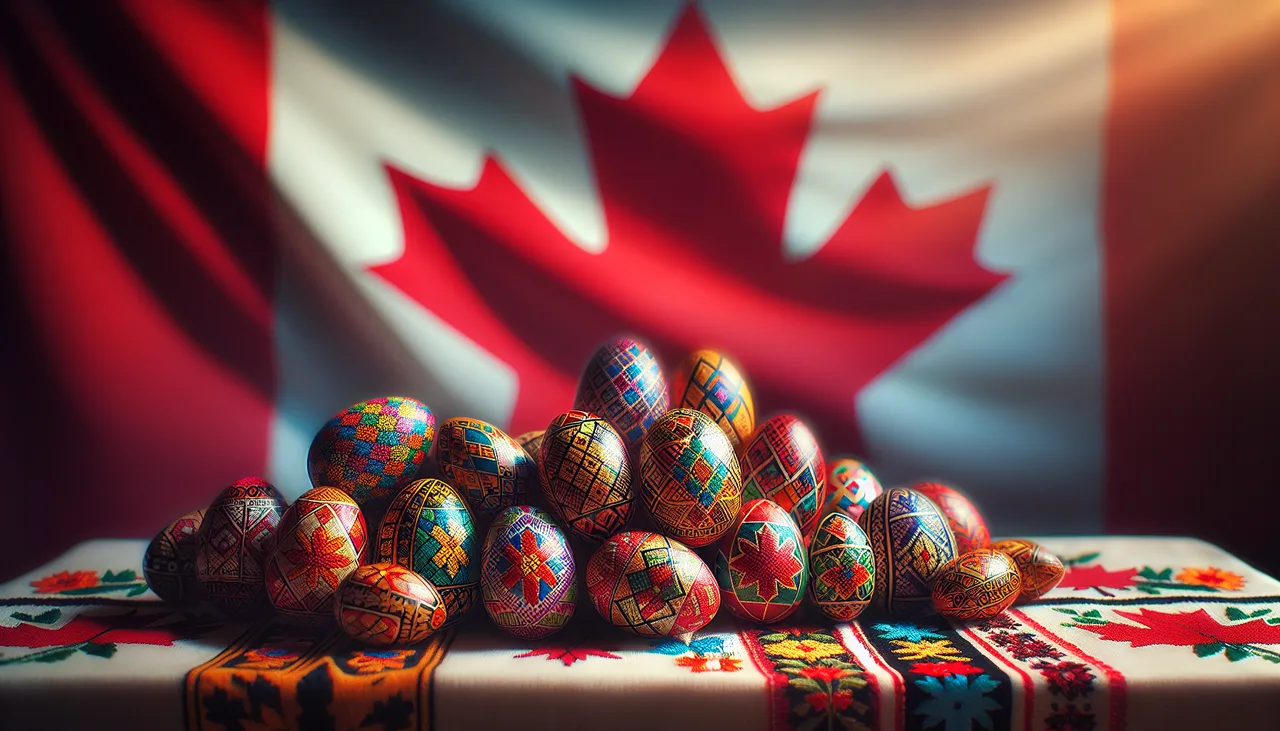
Pysanky, the art of decorating eggs using a wax-resist dyeing technique called batik, is perhaps the most recognized Ukrainian tradition worldwide. The word comes from the Ukrainian verb pysaty, meaning "to write," because designs are drawn onto the egg's surface with a stylus called a kistka before being dipped into successive baths of colored dye. Every symbol carries meaning: spirals represent eternity, wheat stalks signify a bountiful harvest, deer represent wealth and prosperity, and the endless lines that encircle the egg symbolize the cycle of life. In Ukrainian-Canadian homes, the making of pysanky is a family affair, with grandmothers teaching grandchildren techniques passed down through countless generations.
The most spectacular tribute to this tradition stands in Vegreville, Alberta: the world's largest pysanka. This stunning aluminum and anodized aluminum sculpture rises 9.4 meters (31 feet) in length and weighs over 2,270 kilograms. Designed by computer scientist Ronald Resch and built in 1975, it was created to honor the centennial of the Royal Canadian Mounted Police and the contributions of Ukrainian settlers to the region. The Vegreville pysanka has become one of Canada's most iconic roadside landmarks, drawing visitors from across the globe.
On Easter morning, Ukrainian-Canadian families prepare beautifully arranged baskets containing sviachene, the blessed Easter foods. These baskets are taken to church to be blessed by the priest and typically contain paska (a rich Easter bread), kovbasa (garlic sausage), hard-boiled eggs, butter shaped into a lamb, horseradish, cheese, salt and a candle. The blessing of the baskets is a communal event that brings together families of all ages, filling church halls with the aroma of freshly baked bread and smoked meats.
After the blessing, families return home for the Easter breakfast feast, where each food in the basket carries symbolic significance. The egg represents new life, the bread symbolizes the body of Christ, the horseradish recalls the bitterness of sacrifice, and the salt represents the tears of joy. This tradition remains vibrantly alive in Ukrainian parishes across Canada, from the grand cathedrals of Winnipeg to small prairie churches in Saskatchewan.
Christmas Traditions: Sviat Vechir and the Twelve Dishes
Ukrainian Christmas in Canada is an experience like no other. The heart of the celebration is Sviat Vechir (Holy Supper), a meatless feast of twelve dishes served on Christmas Eve that stands as one of the most elaborate and meaningful meals in any cultural tradition. The twelve dishes symbolize the twelve apostles, and the entire evening is steeped in ritual, prayer and family togetherness.
The supper traditionally begins when the first star appears in the evening sky, recalling the Star of Bethlehem. Many Ukrainian-Canadian families historically celebrated on January 6 following the Julian calendar, though some now observe December 24, and a growing number celebrate both dates, embracing both traditions. Before the meal, the father of the family brings in a sheaf of wheat called didukh (meaning "grandfather spirit"), representing the souls of ancestors and the harvest. Hay is placed under the tablecloth to symbolize the manger where Christ was born.
The centrepiece of the meal is kutia, a sweet pudding made from wheat berries, poppy seeds, honey and sometimes walnuts. The head of the household takes the first spoonful and may toss a spoonful toward the ceiling: if it sticks, tradition says the coming year will bring a good harvest. The remaining eleven dishes vary by family and region but commonly include borsch with vushka (small mushroom-filled dumplings), varenyky (perogies) filled with potato, sauerkraut or prunes, holubtsi (stuffed cabbage rolls), fish dishes, mushroom gravy, various bean and pea preparations, nalysnyky (crepes), pickled herring, beet salads, stewed fruit and uzvar, a sweet compote of dried fruits that concludes the meal.
After supper, families sing koliadky, traditional Ukrainian Christmas carols that blend religious devotion with ancient melodies. In many Canadian cities, groups of carolers visit homes in the days following Christmas Eve, performing koliadky and receiving treats and donations in return. This tradition of koliaduvannia remains strong in cities like Edmonton, Winnipeg, Toronto and Saskatoon, where Ukrainian church communities organize carol-singing groups that travel from house to house, filling winter nights with music.
Ukrainian Dance: The Hopak and Beyond
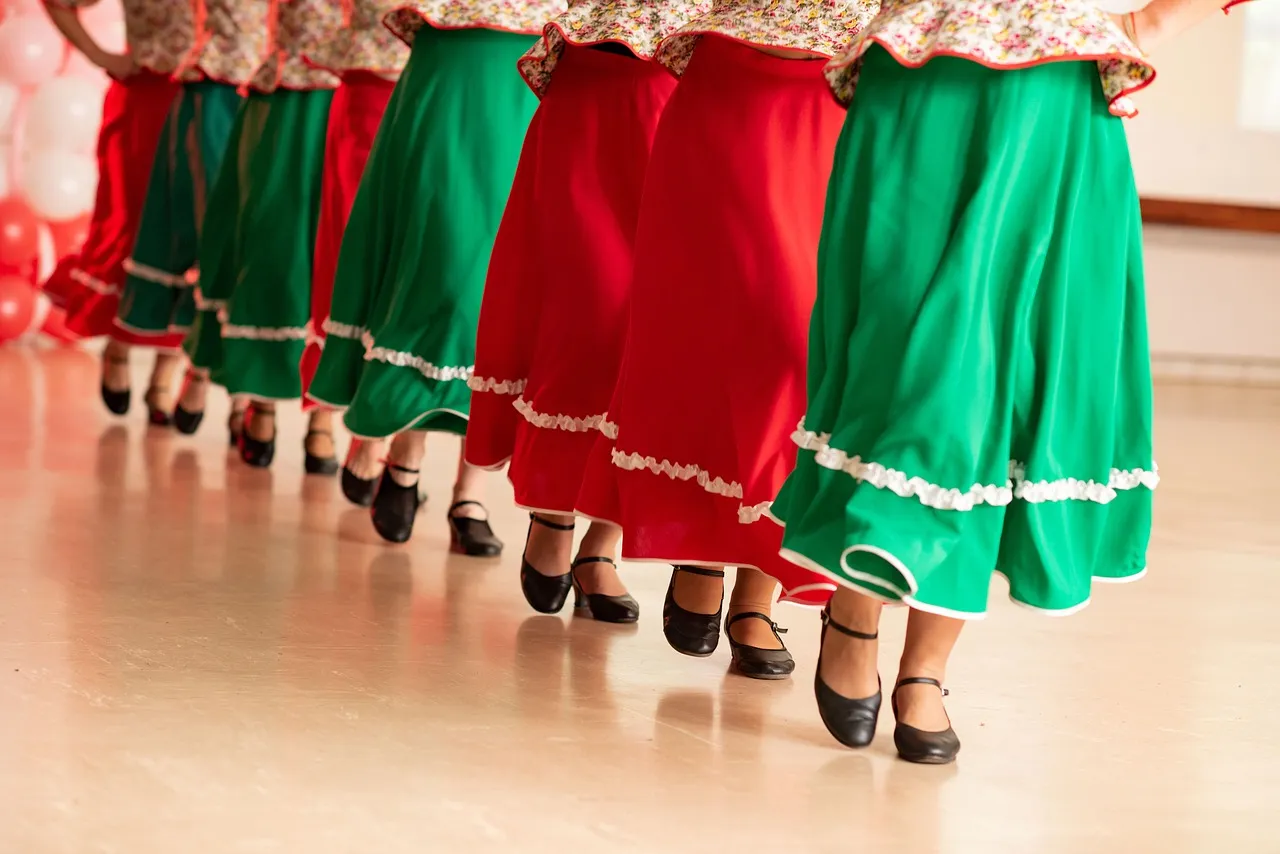
Ukrainian folk dance is one of the most electrifying performing arts in Canada, combining athletic prowess, artistic grace and cultural pride in a way that captivates audiences of every background. The hopak, often called the national dance of Ukraine, is the crown jewel: a high-energy performance featuring soaring leaps, dizzying spins, deep squats (prysiadky) and acrobatic kicks that leave audiences breathless.
Canada is home to some of the finest Ukrainian dance ensembles in the world. The Shumka Ukrainian Dancers of Edmonton, founded in 1959, are widely regarded as the premier Ukrainian dance company outside of Ukraine. Shumka has performed at the National Arts Centre in Ottawa, toured internationally and even danced at Expo 86 in Vancouver. Their productions blend traditional choreography with theatrical staging and contemporary innovation, elevating Ukrainian dance to the level of world-class performing art.
In Winnipeg, the Rusalka Ukrainian Dance Ensemble and the Arkan Dance Company carry on a tradition that stretches back decades. Winnipeg, with its deep Ukrainian roots, produces dancers who go on to compete at national and international levels. The city hosts annual dance competitions that draw ensembles from across Western Canada, where young performers showcase regional dance styles including the Hutsul mountain dances, the elegant Volyn waltz and the spirited Poltava hopak.
Dance schools teaching Ukrainian folk dance operate in virtually every major Canadian city, from Vancouver to Halifax. Children as young as three begin learning basic steps, and many continue through their teenage years and into adulthood. The annual Canada Ukrainian Dance Festival brings together performers from coast to coast, celebrating excellence and encouraging the next generation. For many Ukrainian-Canadian families, dance school is as fundamental to a child's upbringing as hockey practice is for other Canadian families.
Vyshyvanka: The Art of Ukrainian Embroidery
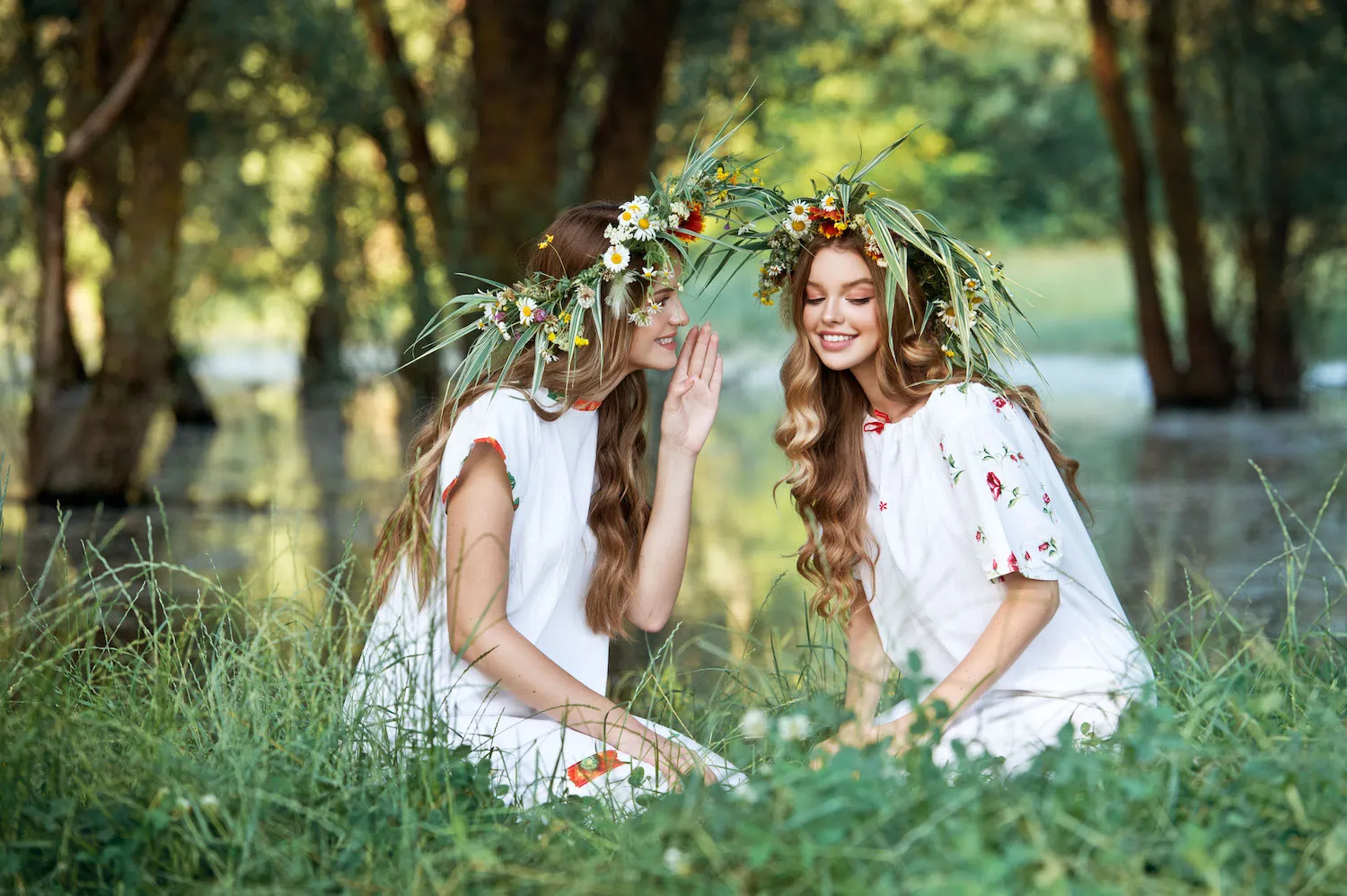
The vyshyvanka, a traditional embroidered shirt, is one of the most beloved symbols of Ukrainian identity. In Canada, the vyshyvanka has evolved from everyday folk clothing into a powerful statement of cultural pride worn at festivals, church services, weddings and increasingly in everyday life.
Each region of Ukraine has its own distinctive embroidery patterns and color palettes. Hutsul embroidery from the Carpathian mountains features bold geometric designs in red and black. Poltava embroidery is known for delicate white-on-white patterns. Borshchiv embroidery from western Ukraine uses striking black thread on white linen. Ukrainian-Canadian families often treasure vyshyvanky that reflect their ancestral region, connecting them to a specific village or district across the ocean.
On May 16, Ukrainians worldwide celebrate Vyshyvanka Day (World Embroidery Day), and Canadian cities enthusiastically participate. Schools, offices and public spaces fill with people wearing embroidered shirts, and social media lights up with photos tagged #VyshyvankaDay. In cities like Toronto, Winnipeg and Edmonton, Vyshyvanka Day has grown into a visible public celebration, with flash mobs, photo events and community gatherings organized by Ukrainian-Canadian organizations.
Contemporary Ukrainian-Canadian designers have also embraced vyshyvanka motifs in modern fashion, creating embroidered dresses, jackets and accessories that blend traditional patterns with contemporary silhouettes. This fusion of old and new ensures that the art of Ukrainian embroidery remains relevant and desirable for younger generations who may wear a vyshyvanka-inspired piece to a business meeting or a night out with equal pride.
Music: Bandura, Choirs and the Kobzar Tradition
Ukrainian music occupies a special place in the cultural landscape of Canada. The bandura, a stringed instrument unique to Ukraine with up to 68 strings, produces a hauntingly beautiful sound that has enchanted audiences for centuries. The tradition of the kobzar, the wandering blind musician who carried the stories and songs of the Ukrainian people, is a powerful symbol of cultural resilience that resonates deeply with diaspora communities.
Canada is home to several bandura ensembles, including the Canadian Bandurist Capella, one of the finest such ensembles outside of Ukraine. Based in Toronto, this ensemble has preserved and performed the bandura repertoire since the mid-20th century, ensuring that this uniquely Ukrainian art form continues to thrive in the diaspora. Their performances combine traditional kobzar songs, liturgical music and contemporary compositions.
Ukrainian choral music has an equally strong presence in Canada. Church choirs singing the rich polyphonic harmonies of the Ukrainian liturgical tradition can be heard every Sunday in Ukrainian Orthodox and Catholic parishes across the country. Community choirs such as the Dnipro Choir of Edmonton and the Vesnivka Choir of Toronto perform at concerts, festivals and cultural events, interpreting both sacred and secular Ukrainian music for Canadian audiences.
Folk music remains alive through community bands and ensembles that perform at festivals, weddings and cultural gatherings. The sound of the tsymbaly (hammered dulcimer), the sopilka (wooden flute) and the accordion alongside vocal harmonies creates an atmosphere that transports listeners to the villages and fields of Ukraine, even in the middle of a Canadian city.
Ukrainian Food: How Perogies Conquered Canada
If there is one Ukrainian tradition that has been embraced by virtually all Canadians regardless of background, it is the food. Perogies (known in Ukrainian as varenyky) have become so thoroughly Canadian that many people are surprised to learn they originated in Ukraine. These delicious dumplings, filled with potato and cheese, sauerkraut, cottage cheese, meat or even fruit, are served in restaurants, sold frozen in every supermarket and made by hand at church fundraisers from coast to coast.
The story of how Ukrainian food became Canadian food is a story of immigration itself. When Ukrainian settlers arrived on the prairies in the late 19th and early 20th centuries, they brought recipes that could transform humble, readily available ingredients into satisfying meals. Potatoes, cabbage, beets, flour, onions and pork fat formed the foundation of a cuisine born from necessity and perfected through generations of home cooking.
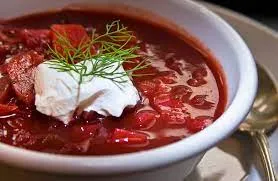
Borsch, the iconic beet soup, is another Ukrainian dish that Canadians have adopted as their own. Whether served hot in winter with a dollop of sour cream and fresh dill, or cold in summer as a refreshing kholodnyk, borsch appears on menus in Ukrainian restaurants and mainstream eateries alike. Every family has its own recipe, fiercely guarded and lovingly passed down.
Holubtsi (cabbage rolls stuffed with rice and meat in tomato sauce), kovbasa (garlic sausage), nalysnyky (thin crepes filled with cottage cheese or meat) and pampushky (fried doughnuts) round out a cuisine that is hearty, comforting and deeply tied to family memory. At Ukrainian church bazaars across Canada, volunteers spend days preparing thousands of perogies and holubtsi by hand, and the lineups of eager customers often stretch around the block. These fundraising events are community institutions in their own right, bringing together cooks, volunteers and food lovers in a shared celebration of flavour and tradition.
In recent years, a new generation of Ukrainian-Canadian chefs has begun reinterpreting traditional recipes for contemporary palates, creating dishes like perogie poutine, borsch risotto and kovbasa pizza that honor the spirit of Ukrainian cooking while embracing Canadian culinary creativity.
Museums and Cultural Institutions
Preserving the material culture of Ukrainian-Canadian life is the mission of several dedicated institutions across the country. The Ukrainian Canadian Museum of Canada in Saskatoon houses an extensive collection of embroidery, pysanky, weavings, ceramics and historical documents that tell the story of Ukrainian settlement and cultural life in Canada. With regional branches in Edmonton, Calgary, Toronto and Vancouver, the museum network ensures that Ukrainian heritage is accessible across the country.
The Ukrainian Cultural Heritage Village near Edmonton, Alberta, is a remarkable open-air museum that recreates the experience of early Ukrainian settlement on the prairies. Spread across 130 acres, the village features over 35 restored and reconstructed buildings from the period 1892 to 1930, including churches, farmsteads, a grain elevator and a school. Costumed interpreters demonstrate traditional crafts, cooking and daily life, giving visitors a vivid sense of the challenges and triumphs of the pioneer era.
In Winnipeg, the Oseredok Ukrainian Cultural and Educational Centre serves as a major archive, museum and gallery dedicated to Ukrainian-Canadian heritage. Its collections include folk art, fine art by Ukrainian-Canadian artists, historical photographs and archival materials documenting the community's history. Oseredok also hosts exhibitions, lectures and educational programs that connect younger generations with their cultural roots.
Major Ukrainian Festivals Across Canada
Ukrainian festivals are among the most vibrant and joyful cultural celebrations in Canada, drawing hundreds of thousands of visitors each year. These events showcase the full spectrum of Ukrainian culture: dance, music, food, art and community spirit.
The National Ukrainian Festival in Dauphin, Manitoba, holds a special distinction as the oldest Ukrainian festival in North America. Running annually since 1965, this three-day celebration in late July or early August transforms the small prairie town into a showcase of Ukrainian culture. The festival features professional and amateur dance performances, live music on multiple stages, a massive food court serving traditional dishes, pysanky demonstrations, embroidery displays and a grandstand show that has become legendary in the Ukrainian-Canadian community.
In Toronto, the Bloor West Village Toronto Ukrainian Festival takes over several blocks of Bloor Street West each September, creating one of the city's largest and most popular street festivals. Tens of thousands of visitors sample perogies and kovbasa, watch dance performances by ensembles from across Ontario, browse vendor stalls selling Ukrainian crafts and art, and enjoy live music that ranges from traditional folk to contemporary Ukrainian pop. The festival is a proud display of Ukrainian community life in Toronto and a gateway for non-Ukrainians to discover the richness of Ukrainian culture.
Alberta, with its deep Ukrainian roots, hosts multiple festivals throughout the summer. The Vegreville Pysanka Festival in July celebrates the town's iconic giant egg with dance, music and food. Edmonton's Ukrainian community organizes several annual events, including the Lviv Ukrainian Festival and cultural programming through the Ukrainian Cultural Heritage Village. Saskatchewan's festivals, including events in Saskatoon and smaller communities, maintain a more intimate, community-centred atmosphere that reflects the close-knit nature of prairie Ukrainian life.
How Ukrainian Culture Shaped Canadian Multiculturalism
One of the most profound and often underappreciated contributions of Ukrainian Canadians to their adopted country is the role they played in shaping Canada's official multiculturalism policy. This is not a minor footnote in Canadian history; it is a foundational chapter in the story of how Canada became the multicultural nation it is today.
In the 1960s, the Canadian government established the Royal Commission on Bilingualism and Biculturalism (the Laurendeau-Dunton Commission) to examine the state of English-French relations in Canada. Ukrainian-Canadian organizations, led by the Ukrainian Canadian Congress (UCC), saw an opportunity and seized it. They argued forcefully that Canada was not simply a bicultural nation of English and French, but a mosaic of many cultures, and that the contributions of communities like the Ukrainian-Canadian community deserved recognition and support.
The advocacy was passionate and effective. Ukrainian-Canadian scholars, politicians and community leaders testified before the commission, submitted briefs and organized public campaigns. Their efforts, combined with those of other ethnic communities, led the commission to expand its mandate and include a fourth volume dedicated to "The Cultural Contribution of the Other Ethnic Groups." This directly influenced Prime Minister Pierre Trudeau's announcement in 1971 of Canada's Multiculturalism Policy, making Canada the first country in the world to adopt such a policy.
The legacy deepened in 1988 with the passage of the Canadian Multiculturalism Act, which enshrined in law the principle that all Canadians are equal regardless of their ethnic origin. Ukrainian Canadians can rightfully claim a significant share of credit for this achievement. The broader Ukrainian-Canadian identity was forged in part through this very advocacy, as community members articulated what it meant to be both fully Canadian and proudly Ukrainian.
This story of cultural advocacy and intercultural dialogue illustrates how immigrant communities do not merely adapt to their new country but actively shape it. The Ukrainian experience in Canada demonstrates that cultural preservation and national integration are not opposing forces but complementary ones, enriching both the community and the nation.
Preserving Culture in the Diaspora
Maintaining a living culture across generations and thousands of kilometers from the homeland requires deliberate effort, dedicated institutions and a deep sense of purpose. Ukrainian Canadians have excelled at this challenge, creating one of the most vibrant diaspora communities in the world.
Ukrainian language schools, often called "Saturday schools" (ridna shkola), operate in cities across Canada. These schools teach children to read, write and speak Ukrainian, along with Ukrainian history, geography, literature and cultural traditions. For many Ukrainian-Canadian children, Saturday school is where they first learn to write in Cyrillic, recite Taras Shevchenko's poetry and understand the history that connects them to a land they may have never visited.
Church communities remain the backbone of cultural preservation. Ukrainian Orthodox and Ukrainian Catholic parishes serve not only as places of worship but as community centres where festivals are organized, language is spoken, traditions are practiced and social bonds are strengthened. The liturgical traditions of the Ukrainian churches, with their distinctive iconography, choral music and calendar of feast days, provide a rhythmic structure to cultural life that has endured for over a century in Canada.
Youth organizations such as the Ukrainian Youth Association (SUM) and Plast Ukrainian Scouting Organization play a vital role in engaging younger generations. These organizations run summer camps, leadership programs and cultural activities that help children and teenagers develop a strong sense of Ukrainian identity while growing up as Canadians. The camps, often set in the Canadian wilderness, combine outdoor skills with Ukrainian language immersion, folk singing, dance workshops and historical education.
The specifics of the Ukrainian diaspora in Canada reveal a community that has found a remarkable balance between integration and cultural preservation. Ukrainian Canadians participate fully in Canadian civic, economic and political life while maintaining traditions, language and cultural practices that connect them to their heritage. This dual identity is not a contradiction but a strength, one that has been celebrated in Canada's multicultural framework.
The arrival of new waves of Ukrainian immigrants, particularly since 2022, has infused the community with fresh energy and renewed connections to contemporary Ukraine. Newcomers bring modern Ukrainian culture, language and perspectives that complement and enrich the traditions preserved by earlier generations. The result is a dynamic, evolving community where a grandmother's pysanky technique meets a newcomer's smartphone, where century-old koliadky are shared alongside contemporary Ukrainian music, and where the long history of Ukrainian immigration continues to unfold in new and unexpected ways.
Ukrainian culture in Canada is not a museum exhibit preserved under glass. It is a living, breathing, dancing, singing, cooking, embroidering, egg-decorating force that enriches the lives of millions of Canadians and connects a proud community to its roots across the ocean. From the world's largest pysanka in Vegreville to the smallest Saturday school classroom in a suburban church basement, Ukrainian culture and traditions continue to thrive, adapt and inspire in their Canadian home.