In brief: The Ukrainian community in Toronto numbers over 100,000 people across the GTA, anchored by historic neighborhoods like Bloor West Village and sustained by churches, cultural centres, festivals and community organizations. Since Russia's full-scale invasion in 2022, tens of thousands of newcomers have arrived under the CUAET program, adding new energy and urgency to a community that has shaped Toronto for over a century.
Ukrainian Community Toronto Size: Population Numbers
Toronto is home to one of the most significant Ukrainian populations of any city in the Western world. Understanding the true size of the Ukrainian community in Toronto requires looking at both census data and the dramatic changes brought by recent events.
According to the 2021 Canadian census, approximately 60,000 residents of the Toronto Census Metropolitan Area (CMA) reported Ukrainian ethnic origin. This figure includes both single and multiple ethnic responses, capturing people who identify fully or partially as Ukrainian. However, many community leaders believe the actual number was already higher, as census data tends to undercount ethnic populations, particularly among those who have been in Canada for several generations and may identify primarily as Canadian.
The picture changed dramatically after February 2022. When Russia launched its full-scale invasion of Ukraine, Canada responded with the Canada-Ukraine Authorization for Emergency Travel (CUAET) program. By 2024, over 200,000 Ukrainians had arrived in Canada under CUAET, and a significant proportion settled in the Greater Toronto Area. Conservative estimates place 40,000 or more CUAET arrivals in the GTA alone, drawn by existing community networks, employment opportunities and settlement services.
Adding pre-existing residents to post-2022 arrivals, the Ukrainian community Toronto size now exceeds 100,000 people. This makes the GTA one of the largest concentrations of Ukrainians in any metropolitan area outside of Ukraine itself, alongside cities like Warsaw, Prague and Berlin that have also received large numbers of displaced Ukrainians.
| GTA Area | Estimated Ukrainian Population | Key Features |
|---|---|---|
| Old Toronto (downtown core) | 12,000–15,000 | Young professionals, students, recent arrivals |
| Etobicoke | 18,000–22,000 | Historic community, churches, cultural centres |
| North York | 10,000–14,000 | Mixed established and newer residents |
| Scarborough | 5,000–8,000 | Growing post-2022 settlement area |
| Mississauga | 15,000–20,000 | Rapidly expanding, affordable housing draw |
| Brampton & Vaughan | 8,000–12,000 | Suburban families, newer communities |
| Other GTA areas | 10,000–15,000 | Oakville, Burlington, Hamilton corridor |
These figures reflect a community that is both deep-rooted and rapidly evolving. For a broader perspective on Ukrainian demographics across the country, our article on the community of Ukrainians in Canada provides national context.
Key Ukrainian Neighborhoods in Toronto
Unlike some immigrant communities that concentrate in a single enclave, Ukrainians in Toronto have historically spread across multiple neighborhoods while maintaining strong cultural anchors in specific areas. Each neighborhood has its own character and role within the broader community.
Bloor West Village: The Historic Heart
If any single place represents the soul of the Ukrainian community in Toronto, it is Bloor West Village. Stretching along Bloor Street West between Jane Street and Runnymede Road, this neighborhood has been a centre of Ukrainian life since the mid-20th century. Here you will find Ukrainian bakeries, delis, gift shops selling embroidered blouses and Easter eggs, and the unmistakable domes of Ukrainian churches visible above the residential rooftops.
Bloor West Village is also where the Toronto Ukrainian Festival takes place each September, transforming several blocks into a celebration of Ukrainian music, dance, food and crafts. The neighborhood retains a distinctly Ukrainian flavor even as it has become increasingly diverse, a testament to the community's enduring presence.
The Junction
Adjacent to Bloor West Village, The Junction neighborhood at Dundas Street West and Keele Street has seen a revival in recent years. Once a working-class area with a strong Eastern European character, it now blends trendy shops and restaurants with older Ukrainian and Polish businesses. Several Ukrainian families who settled here decades ago still maintain homes in the area, and the neighborhood serves as a bridge between the traditional community core and the broader city.
Etobicoke
Etobicoke, the western borough of Toronto, is arguably where the largest number of Ukrainian families reside today. It offers a suburban environment with more affordable housing than downtown, good schools, and proximity to several Ukrainian churches and community halls. Holy Eucharist Ukrainian Catholic Church and St. Demetrius Ukrainian Orthodox Church are both located here, serving as anchors for the local community.
North York and Scarborough
North York has a significant and growing Ukrainian presence, particularly in areas around Bathurst Street and Finch Avenue. The area attracts both established families and newcomers who find mid-range housing options. Scarborough, in Toronto's east, has become a settlement area for many post-2022 arrivals, attracted by relatively lower rents and access to transit.
Mississauga and the Western GTA
Mississauga, immediately west of Toronto, has experienced rapid growth in its Ukrainian population. With major employers, good transit connections to downtown Toronto, and more affordable family housing, it has become a natural extension of the Toronto Ukrainian community. Many CUAET arrivals have settled here, and new community groups and social networks have formed to serve them.

Ukrainian Churches in Toronto
Churches have always been the backbone of Ukrainian community life in Canada. In Toronto, Ukrainian churches serve not only as places of worship but as social hubs, cultural preservation centres and gathering points for community organizing. The two main denominations — Ukrainian Orthodox and Ukrainian Catholic (Greek Catholic) — both have a strong presence in the city.
St. Volodymyr Ukrainian Orthodox Cathedral
Located on Peel Avenue in downtown Toronto, St. Volodymyr Ukrainian Orthodox Cathedral is one of the most prominent Ukrainian churches in the city. Named after the Grand Prince who brought Christianity to Kyivan Rus in 988, the cathedral has served the community for decades. Its distinctive architecture and regular services in Ukrainian make it a spiritual home for Orthodox believers across the GTA. The cathedral also hosts cultural events, memorial services and community gatherings.
Holy Eucharist Ukrainian Catholic Church
Situated in Etobicoke, Holy Eucharist Ukrainian Catholic Church serves the Greek Catholic community, which follows Eastern liturgical traditions while maintaining communion with Rome. The parish is active in community life, running language programs, youth groups and charitable initiatives. Since 2022, the church has been particularly involved in welcoming and supporting newcomers from Ukraine.
St. Demetrius Ukrainian Orthodox Church
St. Demetrius Ukrainian Orthodox Church, also in Etobicoke, is another vital community institution. The church complex includes a community hall that hosts banquets, meetings and cultural performances. Its attached cemetery is the final resting place for many Ukrainian Canadians who built the community over the past century.
Several smaller Ukrainian parishes and mission churches serve other parts of the GTA, including areas in North York, Mississauga and Oshawa. The arrival of tens of thousands of newcomers since 2022 has increased church attendance and prompted some parishes to add additional services.
Cultural Centres and Institutions
Beyond churches, the Ukrainian community in Toronto sustains a network of cultural institutions that preserve heritage and nurture new generations of Ukrainian Canadians.
Ukrainian Canadian Art Foundation
The Ukrainian Canadian Art Foundation, located on Christie Street, houses an impressive collection of Ukrainian art, including paintings, sculptures and textiles by artists from both Ukraine and the diaspora. The foundation hosts exhibitions, lectures and workshops, making it a vital venue for cultural engagement. It is one of the few institutions in North America dedicated exclusively to Ukrainian visual arts.
Ukrainian National Federation Hall
The Ukrainian National Federation (UNF) hall on College Street has been a gathering place for the community for generations. It hosts dances, banquets, meetings, lectures and performances. The hall is also home to a Ukrainian credit union branch and community offices. Many Torontonians of Ukrainian descent have childhood memories of attending Saturday Ukrainian school or dance rehearsals at the UNF hall.
Ukrainian Language Schools and Dance Groups
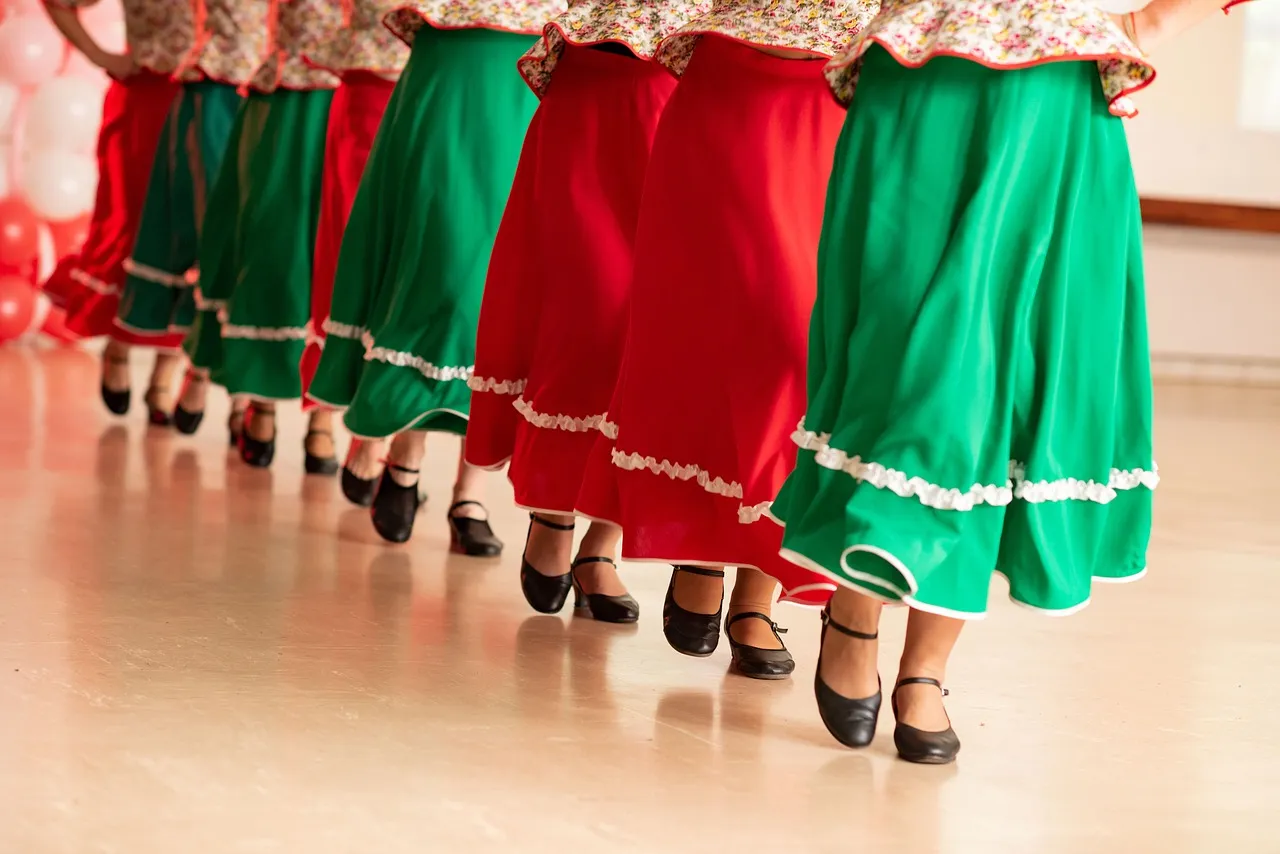
Toronto has several Ukrainian language schools (known as ridni shkoly) that teach reading, writing, Ukrainian history and culture to children on weekends. These schools play a crucial role in maintaining language skills among the second and third generations. The city is also home to acclaimed Ukrainian dance ensembles, including groups that perform traditional Hopak and regional folk dances at festivals and competitions across North America.
The importance of Ukrainian culture and traditions in sustaining community identity cannot be overstated. These institutions ensure that the culture thrives far from the homeland.
Ukrainian Festivals and Events
The Ukrainian community in Toronto has a rich calendar of events that bring people together, celebrate heritage and share Ukrainian culture with the wider city.
Toronto Ukrainian Festival
The Toronto Ukrainian Festival is the highlight of the community calendar. Held annually in September along Bloor Street West in Bloor West Village, the festival attracts tens of thousands of visitors over a weekend. It features live performances of traditional and contemporary Ukrainian music, energetic folk dance shows, an outdoor food court serving varenyky (dumplings), borscht, holubtsi (cabbage rolls) and kovbasa (sausage), plus vendor booths selling embroidered clothing, ceramics and art.
The festival is free to attend and draws a diverse crowd from across the GTA. It is one of the largest Ukrainian street festivals in North America and serves as a powerful showcase of what the community has built in Toronto.
Ukrainian Independence Day — August 24
Each year on August 24, the Toronto Ukrainian community marks Ukrainian Independence Day with rallies, flag-raising ceremonies, cultural programs and community gatherings. Since 2022, these celebrations have taken on a deeper significance, combining joy for Ukraine's sovereignty with solidarity for those defending it. City Hall and Nathan Phillips Square have been regular venues for Independence Day events, often attended by Canadian politicians and diplomats.
Other Key Events
- Holodomor Memorial Day (November): A solemn commemoration of the 1932–33 famine-genocide in Ukraine, with candlelight vigils and educational events
- Ukrainian Christmas and Easter: Celebrated according to the Julian calendar at many Ukrainian churches, these holidays feature traditional liturgies, caroling (koliadky) and food
- Charity fundraisers: Since 2022, the community has organized countless fundraising events for humanitarian aid, medical supplies and reconstruction efforts in Ukraine
- Vyshyvanka Day (May): A celebration of the traditional embroidered shirt, with community members wearing vyshyvanky to work, school and public spaces
Ukrainian Restaurants and Shops
Food is one of the most immediate and accessible ways to experience the Ukrainian community in Toronto. The city offers a range of options, from established restaurants to grocery stores stocking imported Ukrainian products.
Future Bakery on Bloor Street West is perhaps the most widely known Ukrainian-influenced eatery in Toronto. It offers a casual atmosphere with traditional baked goods, soups and hearty Eastern European fare. Several other restaurants and cafes in Bloor West Village serve Ukrainian dishes, and new establishments have opened in recent years as the post-2022 wave has brought fresh culinary energy.
Ukrainian grocery items — sunflower oil, buckwheat, pickled vegetables, cured meats and sweets — can be found at European specialty stores across the GTA. Shops in Etobicoke, along Bloor West and in Mississauga carry a wide selection of products imported from Ukraine and locally produced Ukrainian staples. Several online stores now deliver Ukrainian groceries across the GTA as well.
For those who want to experience authentic Ukrainian cuisine before ever visiting Toronto, or who dream of one day exploring the source, ukrainetrips.com offers valuable resources for those planning to visit Ukraine and experience its culinary traditions firsthand.
Monuments and Heritage Sites
Taras Shevchenko Monument
One of the most significant Ukrainian heritage sites in Toronto is the Taras Shevchenko Monument on Palmerston Boulevard. Taras Shevchenko (1814–1861) is Ukraine's national poet and a towering figure of Ukrainian identity. His works, which called for freedom and justice, continue to inspire Ukrainians around the world. The Toronto monument is a gathering place for commemorative events, poetry readings and community celebrations, particularly around Shevchenko's birthday on March 9.
The monument reflects the deep cultural connections the Toronto Ukrainian community maintains with the homeland. Similar Shevchenko monuments exist in Ottawa, Winnipeg and other Canadian cities, forming a chain of cultural memory across the country. For more on the history and waves of Ukrainian immigration to Canada, the roots of these monuments become even more meaningful.
Ukrainian Organizations in Toronto
A robust network of organizations supports the Ukrainian community in Toronto, covering everything from political advocacy and cultural preservation to settlement services and youth development.
Ukrainian Canadian Congress (UCC) — Toronto Branch
The Ukrainian Canadian Congress is the national umbrella organization representing Ukrainian Canadians. Its Toronto branch coordinates community activities, advocates with municipal and provincial governments, organizes public events and rallies, and serves as a point of contact between the community and the broader Canadian society. Since 2022, the UCC Toronto branch has been instrumental in mobilizing support for Ukraine and coordinating humanitarian aid efforts.
Ukrainian National Federation (UNF)
The Ukrainian National Federation is one of the oldest Ukrainian organizations in Canada, founded in 1932. In Toronto, the UNF operates a community hall, supports cultural programs, youth activities and language education, and maintains an active membership of Ukrainian Canadians from all generations. The organization has a long history of promoting Ukrainian identity and advocating for Ukrainian causes in Canadian public life.
Canada-Ukraine Foundation
The Canada-Ukraine Foundation is a charitable organization that channels Canadian support toward development, humanitarian and educational projects in Ukraine. Based in Toronto, it has been a critical vehicle for fundraising and aid delivery since 2022, coordinating medical supply shipments, supporting displaced families and funding reconstruction projects. The foundation also supports cultural and educational exchanges between Canada and Ukraine.
Other Key Organizations
- League of Ukrainian Canadians: Advocacy and cultural promotion organization with a long history in Toronto
- Ukrainian Canadian Social Services (UCSS): Settlement and integration services for newcomers, including language training, employment counseling and housing assistance
- Ukrainian Canadian Professional and Business Association: Networking and mentorship for Ukrainian Canadian professionals
- Ukrainian Youth Association (SUM) and Plast Ukrainian Scouting: Youth organizations that build leadership, cultural knowledge and community bonds among young Ukrainian Canadians
For those considering immigration to Canada, many of these organizations provide practical help. Our guide on how to immigrate to Canada from Ukraine outlines the main pathways available today.
Post-2022 Newcomers and Settlement Services
The full-scale Russian invasion of Ukraine in February 2022 triggered the largest displacement crisis in Europe since World War II. Canada's response was swift: the CUAET program offered Ukrainians three-year temporary residence permits with work and study rights, and over 200,000 people applied within the first year alone.
Toronto and the GTA became a primary destination. The existing Ukrainian community mobilized immediately, with churches opening their doors, families offering spare rooms, volunteer groups organizing airport pickups and donation drives, and community organizations scaling up their services practically overnight.
Settlement Services
Newcomers arriving in Toronto have access to a range of settlement services:
- Ukrainian Canadian Social Services (UCSS): The primary settlement agency for Ukrainians, offering case management, housing referrals, language assessment and employment counseling
- Government-funded settlement agencies: Organizations like COSTI, the YMCA of Greater Toronto and WoodGreen Community Services provide general newcomer support including English classes and job search assistance
- Church-based support: Many Ukrainian churches run informal support programs, including meal services, clothing donations and social integration events
- Volunteer networks: Grassroots groups organized through social media have been remarkably effective at matching newcomers with housing, employment leads and community connections
The integration process is not without challenges. Many CUAET arrivals face difficulties with credential recognition, finding affordable housing in Toronto's expensive market, and coping with the emotional weight of having family and friends still in a war zone. Community mental health services — some offered in Ukrainian — have expanded to address these needs.
Despite the hardships, the resilience of post-2022 arrivals has been remarkable. Many have found employment, enrolled children in schools, learned English, and begun building new lives while remaining deeply connected to events in Ukraine. Their presence has infused the established Ukrainian-Canadian identity with fresh perspectives and renewed urgency.
How to Connect with the Ukrainian Community in Toronto
Whether you are a newcomer from Ukraine, a second-generation Ukrainian Canadian looking to reconnect with your roots, or simply someone interested in Ukrainian culture, there are many ways to engage with the Toronto Ukrainian community.
Attend a Church Service
Even if you are not religious, visiting a Ukrainian church on a Sunday morning gives you an immediate sense of the community. Services are typically conducted in Ukrainian, and many parishes hold coffee hours afterward where you can meet people. New faces are always welcomed warmly.
Visit a Cultural Event or Festival
The Toronto Ukrainian Festival in September is the most accessible entry point. It is free, family-friendly and offers a full immersion in Ukrainian music, dance and food. Smaller events take place throughout the year at community halls and cultural centres.
Volunteer
Since 2022, volunteer opportunities have multiplied. Organizations like the UCC Toronto branch, the Canada-Ukraine Foundation and various grassroots groups welcome volunteers for fundraising events, settlement support, tutoring and more. Volunteering is one of the fastest ways to meet people and become part of the community fabric.
Join a Ukrainian Organization or Group
From professional associations to youth scouting groups, there is an organization for virtually every interest and age group. Many groups meet regularly at the UNF hall, churches or community centres. Online communities on Facebook and Telegram also provide a way to stay connected and informed about local events.
Explore Ukrainian Businesses
Shopping at Ukrainian-owned stores, eating at Ukrainian restaurants and using services provided by Ukrainian Canadian professionals is another way to support and connect with the community. Many business owners are happy to chat and share their stories, and these interactions often lead to deeper community involvement.
The Ukrainian community in Toronto is remarkably welcoming. Whether you speak Ukrainian fluently or not at all, there is a place for you. The community's strength has always been its ability to embrace newcomers while maintaining the traditions, language and cultural values that make it unique. As one of the largest Ukrainian populations in the world outside of Ukraine, the Toronto community is a living testament to the determination, resilience and cultural pride of Ukrainians in Canada.