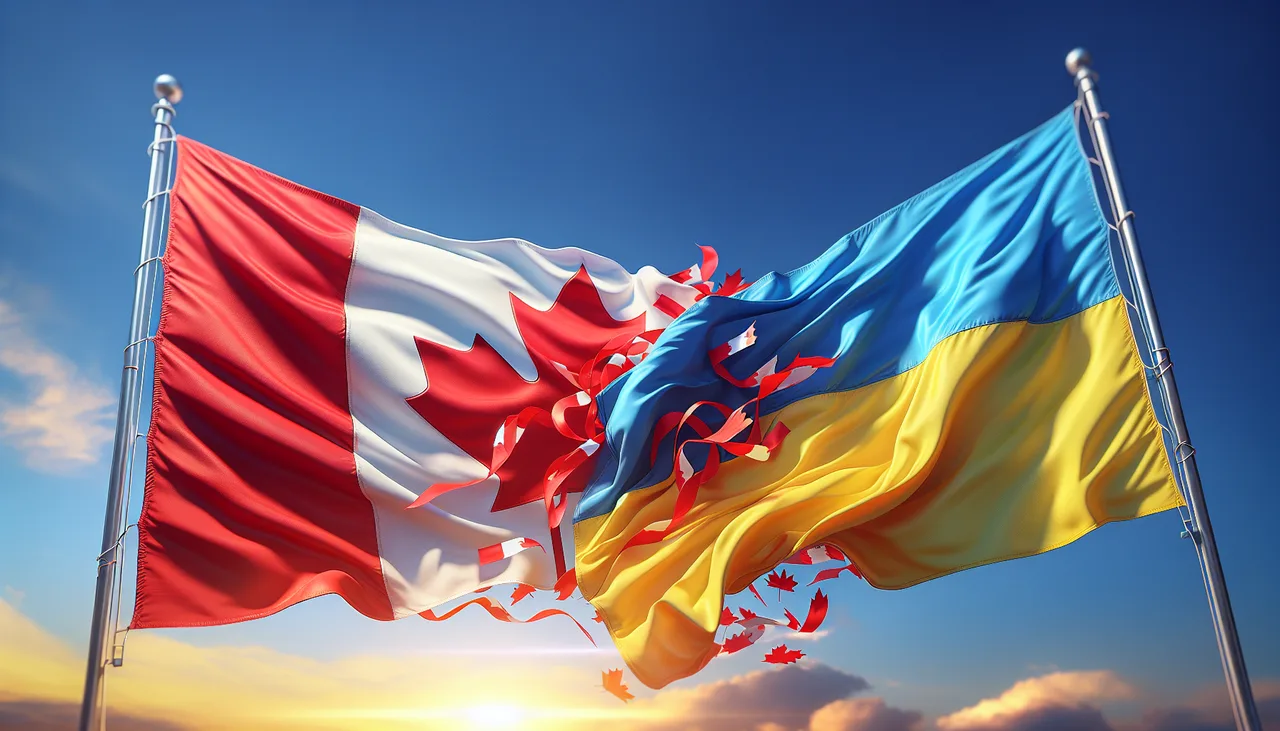
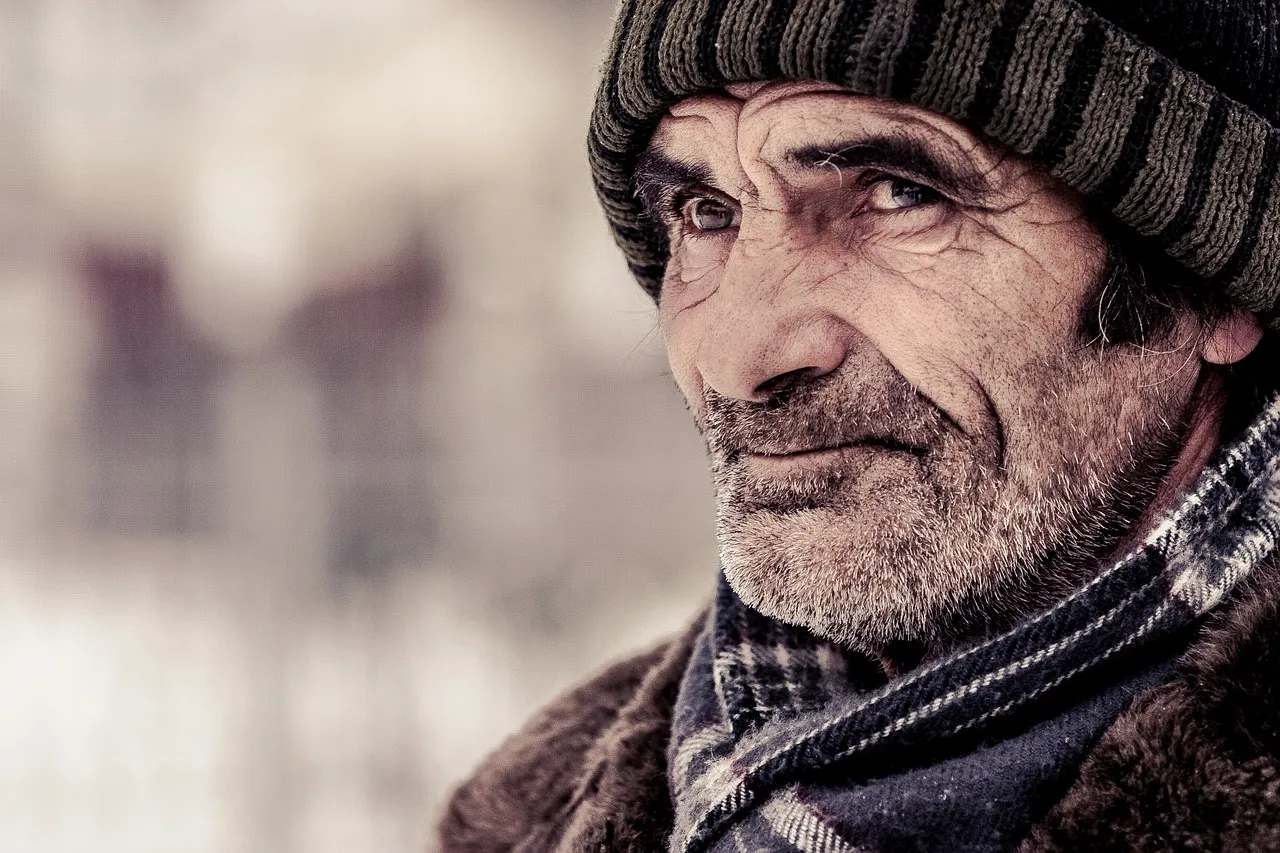
Nowhere do so many exiled Ukrainians live as in Canada. They see themselves as guardians of the independence of their homeland, and that homeland has faced unprecedented threats in recent years. The Ukrainian diaspora in Canada is not merely a cultural community preserving traditions abroad; it is a politically active, emotionally invested force that has shaped Canadian foreign policy and continues to rally support for Ukraine on the international stage. Around 1.2 million Canadians have Ukrainian roots, making it the largest diaspora outside the motherland and Russia, and it is still growing as between 50,000 and 100,000 Ukrainians immigrate to Canada annually.
In brief: The Ukrainian diaspora in Canada, numbering approximately 1.2 million, is the largest outside Ukraine and Russia. Ukrainian Canadians have served as guardians of their homeland's independence since 1991, influencing Canadian foreign policy, organizing humanitarian support and maintaining powerful cultural and religious institutions that keep the connection to Ukraine alive across generations.

Guardians of a Distant Homeland
Ukrainian Canadians have seen themselves as guardians of their mother country's independence since the end of the Soviet Union. The ties between Canada and Ukraine are correspondingly close. Canada was the first Western country to recognize Ukraine's independence in 1991, a historic moment that reflected decades of diaspora advocacy. Canadian prime ministers have consistently maintained strong relationships with Ukrainian leadership, and the Ukrainian Canadian Congress has been instrumental in keeping Ukraine at the top of Canada's foreign policy agenda.
This sense of guardianship has only intensified since the escalation of conflict in 2022. For many Ukrainian Canadians, the defence of Ukrainian sovereignty is not an abstract political position but a deeply personal commitment rooted in family history, cultural identity and generational memory. As one community member puts it: "I was born in Canada, but deep inside I am Ukrainian. I am very moved by what is happening in my parents' homeland." For more context on the specifics of the Ukrainian diaspora in Canada, including demographic breakdowns and settlement patterns, see our detailed companion article.
Cultural Pride: The Shumka Ensemble and Beyond
Cultural expression remains one of the most visible ways the diaspora maintains its connection to Ukraine. In Edmonton, the Shumka Ensemble stands as one of the most successful Ukrainian folklore groups in North America. Founded decades ago, the group performs the hopak and other traditional Ukrainian dances to enthusiastic audiences. Murray Howell, a 31-year-old Ukrainian-Canadian dancer in the ensemble, describes his experience on stage: "I am full of emotion. My mother's Ukrainian heart comes through." Wearing a traditional shirt, plush trousers and red leather boots, he represents a new generation that carries forward Ukrainian artistic traditions while being fully rooted in Canadian life.
Beyond dance, the diaspora maintains a rich cultural infrastructure. Ukrainian festivals, concerts, art exhibitions and literary events take place throughout the year across the country. Traditional Ukrainian weddings remain one of the most celebrated cultural events in diaspora communities, with elaborate ceremonies that blend centuries-old customs with Canadian sensibilities — a tradition beautifully captured in wedding photography collections from across the diaspora. Churches serve not only as places of worship but as cultural centres where Ukrainian language, music and traditions are taught to younger generations. These cultural activities serve a dual purpose: they preserve heritage for the community and they raise awareness of Ukrainian identity among the broader Canadian public.
The Media Voice of the Diaspora
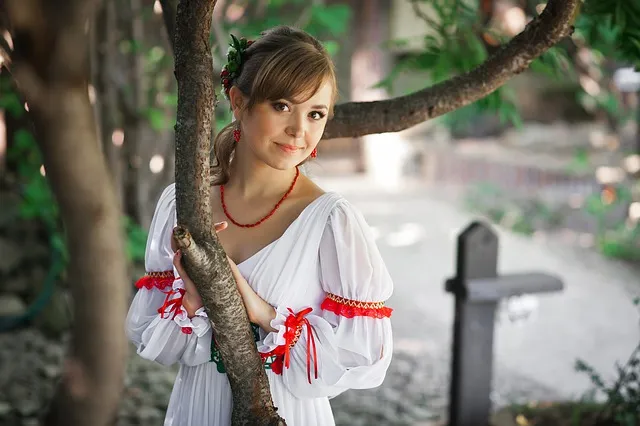
Ukrainian-language media plays a crucial role in keeping the diaspora informed and connected. In Edmonton, Roman Brytan hosts a Ukrainian-language radio programme that has become a lifeline for the community. His grandparents emigrated after the war, and his parents raised him bilingually. When he speaks, he often switches seamlessly from English to Ukrainian and back. In his broadcasts, Brytan addresses the political situation in Ukraine alongside community news, cultural programming and practical advice for newcomers. "Many listeners are worried that Ukraine might lose its independence," he explains, capturing the anxiety that permeates much of the diaspora's media landscape.
Beyond radio, the Ukrainian Canadian community supports online news platforms, social media groups, podcasts and print publications that cover both diaspora life and events in Ukraine. This media ecosystem ensures that even Ukrainian Canadians who no longer speak the language fluently can stay connected to developments in their ancestral homeland. Understanding how Canada shaped the Ukrainian diaspora over more than a century provides essential context for the community's current media and political engagement.
Political Influence and Canada-Ukraine Relations
The political influence of the Ukrainian Canadian diaspora extends far beyond community meetings and cultural festivals. Paul Grod, president of the Ukrainian Canadian Congress, is an influential figure in Canadian politics who frequently accompanies Canadian politicians on trips to Ukraine. His advocacy has been so effective that he was banned from entering Russia by the Moscow government because of his pro-Western commitment. Grod has openly called the Russian president a dictator and the annexation of Crimea a criminal act, reflecting the diaspora's firm stance on Ukrainian sovereignty.
The Canadian government has taken significant steps that align with diaspora advocacy. At the urging of the Ukrainian Canadian Congress, Ottawa broke off all military cooperation with Moscow, imposed economic sanctions, was among the first to call for Russia's expulsion from the G8, and revoked the visas of certain Russian politicians and diplomats. These measures enjoy broad popular support in Canada, partly because of the diaspora's effectiveness in communicating the stakes of the conflict to the wider Canadian public.
Vegreville: A Living Museum of Ukrainian Heritage
The town of Vegreville, located outside Edmonton, serves as a living testament to Ukrainian Canadian history. One of the centres of Ukrainian immigration in the 19th and 20th centuries, Vegreville has deep Ukrainian roots, with almost every second inhabitant claiming Ukrainian heritage. At the entrance to the town, residents have erected the world's largest pysanka, a giant painted metal Easter egg that has become an iconic symbol of Ukrainian Canadian identity.
Laryssa Toroshenko works in Vegreville at a Ukrainian open-air museum featuring wooden churches with onion domes and old farmhouses. The highlight of the year is "Ukrainian Day" in August, a harvest festival that attracts up to 10,000 visitors. Toroshenko was one of 2,000 Canadians who attended elections in Ukraine as official observers, demonstrating the tangible connections between the diaspora and democratic processes in the homeland. She is particularly concerned about civil society in Ukraine and believes that both parties to the conflict need a deeper understanding of democratic principles.
Faith, Community and Internal Tensions
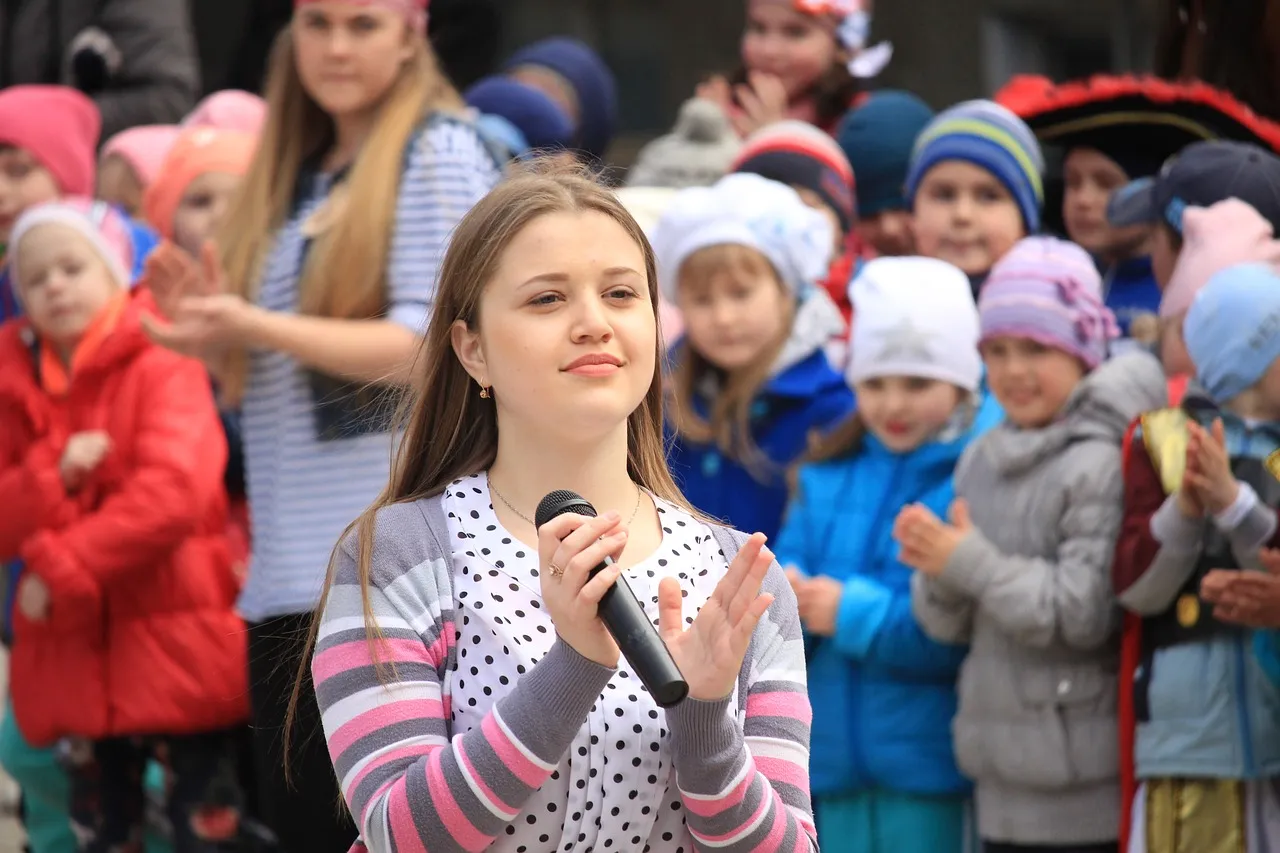
Religious institutions serve as pillars of the Ukrainian Canadian community. Father Cornell Zubritsky, a 44-year-old priest at the Ukrainian Orthodox Cathedral in Edmonton, leads one of five such parishes in the city. About 600 people belong to his congregation, and on any given Sunday over 100 gather for services in a cathedral filled with incense and icons.
However, the community is not without internal tensions. The geopolitical conflict has created divisions even within church congregations. "Some Canadian Ukrainians speak Russian and feel more connected to Russia," Zubritsky explains. "This creates discussions with those Ukrainians who don't want their old homeland to become an appendage to a Russian empire." The priest does not want to see his community divided. "I am a Canadian and Ukrainian patriot," he says. "That would break my heart." These tensions, while real, are generally managed through dialogue and shared commitment to community, and most Ukrainian Canadians remain united in their support for Ukrainian sovereignty. For context on how Ukrainians integrate into Canadian society despite these divisions, see our broader analysis.
Diaspora Mobilization Since 2022
The escalation of conflict in Ukraine since 2022 has triggered an unprecedented level of diaspora mobilization across Canada. Ukrainian Canadian organizations have coordinated massive humanitarian fundraising campaigns, collecting millions of dollars for medical supplies, refugee assistance and reconstruction efforts. Churches, cultural centres and community halls have been transformed into collection points for donated goods destined for Ukraine.
Thousands of Ukrainian Canadian families have sponsored refugees through federal and provincial programmes, providing housing, language assistance and employment guidance to newly arrived families. This sponsorship effort represents one of the most effective community-led refugee settlement programmes in Canadian history. At the same time, diaspora organizations have intensified their advocacy with federal and provincial governments, pushing for stronger sanctions against Russia, increased military support for Ukraine and expedited immigration processing for Ukrainian refugees.
The mobilization has also extended to the digital sphere, with Ukrainian Canadian activists using social media, online fundraising platforms and virtual events to reach both the diaspora community and the broader Canadian public. This multi-channel approach has proven highly effective in maintaining public awareness and political pressure.
The Emotional Cost of Distance
Living thousands of kilometres from a homeland at war exacts a significant emotional toll. Many Ukrainian Canadians experience a form of survivor's guilt, struggling with the knowledge that family members and friends face danger while they live in safety. Mental health professionals within the diaspora community have noted increased demand for counselling services, particularly among recent arrivals who may have experienced trauma before emigrating.
Despite this emotional burden, the diaspora channels much of its anxiety into productive action. Community organizations have expanded their mental health programming, offering support groups, counselling referrals and wellness events specifically designed for Ukrainian Canadians affected by the conflict. The shared experience of worry and determination has, paradoxically, strengthened community bonds and created a renewed sense of purpose and identity among generations that might otherwise have drifted further from their Ukrainian roots.
Common Misconceptions About the Diaspora
Several common misconceptions about the Ukrainian Canadian diaspora deserve correction. First, the community is often assumed to be politically homogeneous, when in fact there are significant differences in political views across generations and immigration waves. Second, many assume that cultural preservation means resistance to integration, when Ukrainian Canadians are among the most successfully integrated immigrant communities in the country. Third, the diaspora is sometimes seen as purely focused on Ukraine at the expense of Canadian interests, when in reality its advocacy has consistently operated within Canadian democratic frameworks and has strengthened Canada's international reputation. Fourth, some people believe that Ukrainian identity in Canada is fading, when the influx of new immigrants and the renewed cultural engagement triggered by the conflict have actually revitalized community institutions. Finally, the assumption that all Ukrainian Canadians speak Ukrainian is inaccurate, as many, particularly those from earlier immigration waves, primarily use English or French.
Diaspora Engagement Comparison
| Activity | Before 2022 | After 2022 | Impact |
|---|---|---|---|
| Humanitarian fundraising | Moderate, event-based | Massive, continuous campaigns | Millions of dollars raised |
| Political advocacy | Structured, institutional | Intensified, multi-level | Shaped Canadian foreign policy |
| Refugee sponsorship | Limited, individual cases | Widespread, organized | Thousands of families settled |
| Cultural events | Regular festivals and celebrations | Expanded, awareness-focused | Broader public engagement |
| Media engagement | Community-focused | National and international reach | Sustained public awareness |
| Mental health support | Minimal formal programmes | Expanded counselling and groups | Community resilience |
Frequently Asked Questions
How large is the Ukrainian diaspora in Canada?
Around 1.2 million Canadians have Ukrainian roots, making it the largest Ukrainian diaspora outside of Ukraine and Russia. The community continues to grow, with between 50,000 and 100,000 Ukrainians immigrating to Canada annually in recent years.
What is the Ukrainian Canadian Congress and what role does it play?
The Ukrainian Canadian Congress (UCC) is the main umbrella organization representing Ukrainian Canadians politically, socially and culturally. Its president, Paul Grod, has been highly influential in shaping Canada's foreign policy toward Ukraine and Russia.
What is the world's largest pysanka and where is it located?
The world's largest pysanka (a giant painted metal Easter egg) is located in Vegreville, Alberta, a community outside Edmonton that was one of the centres of Ukrainian immigration in the 19th and 20th centuries.
Was Canada the first Western country to recognize Ukraine's independence?
Yes, Canada was the first Western country to recognize Ukraine's independence in 1991. This early recognition reflected the deep ties between Canada and its Ukrainian diaspora community.
How do tensions between Russian and Ukrainian identities affect the diaspora in Canada?
Some Ukrainian Canadians speak Russian and feel more connected to Russia, which creates discussions and tensions with those who want Ukraine to remain fully independent. These divisions have deepened since the 2022 conflict, though most Ukrainian Canadians are united in supporting Ukrainian sovereignty.
How does the Ukrainian diaspora in Canada support Ukraine?
The Ukrainian diaspora in Canada supports Ukraine through massive humanitarian fundraising campaigns, political advocacy via the Ukrainian Canadian Congress, refugee sponsorship programs, cultural awareness events and direct diplomatic pressure on the Canadian government. Since 2022, diaspora organizations have raised millions of dollars for medical supplies, refugee assistance and reconstruction, while also lobbying for stronger sanctions against Russia and increased military aid to Ukraine.
What impact did the 2022 Russian invasion have on Ukrainian Canadians?
The 2022 Russian invasion triggered unprecedented mobilization among Ukrainian Canadians. Community organizations launched massive fundraising campaigns, thousands of families sponsored Ukrainian refugees, and political advocacy intensified at all levels of government. The conflict also deepened emotional bonds with Ukraine, increased demand for mental health support within the community, and revitalized cultural engagement among younger generations who had previously been less connected to their Ukrainian heritage.