Canada is home to one of the largest Ukrainian communities in the world outside Eastern Europe. In 2026, the Ukrainian community in Canada is both historically rooted and rapidly evolving, shaped by multiple waves of immigration and recent geopolitical events. Ukrainians are well integrated into Canadian society while maintaining a strong cultural identity, with significant populations spread across several provinces and major cities. Understanding where these communities are located and how they developed is essential for anyone seeking to connect with the diaspora or considering emigration.
In brief: Over 1.3 million people of Ukrainian origin live across Canada, concentrated primarily in Alberta, Ontario, Manitoba and Saskatchewan. The community traces its roots to 1812, with major immigration waves beginning in 1871. Today, Ukrainian Canadians maintain strong cultural institutions, including churches, schools, museums and media outlets, while being fully integrated into Canadian economic and civic life.
A Brief History of Ukrainian Immigration
Ukrainian immigration to Canada has a longer history than most people realize. It is recorded that as early as 1812, after the war with Napoleon, the first settlers from Ukraine had already established themselves on the Atlantic coast. However, the real, legal countdown of organized immigration began in 1871, when Ukrainians from the poorest parts of Austro-Hungary, specifically Galicia and Bukovina, were invited to settle in Canada. This region of Europe was among the most densely populated and economically deprived, with frequent floods, famines and death tolls reaching up to 50,000 people annually.
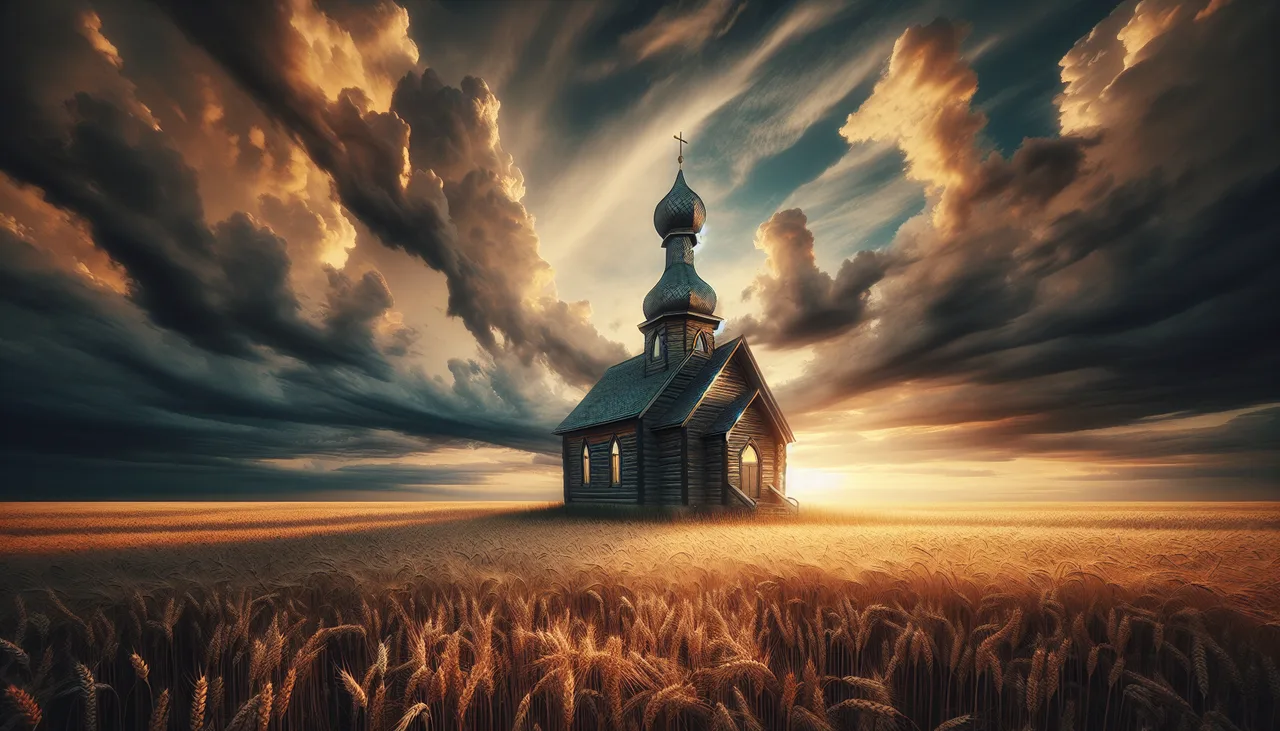
These early immigrants were invited to settle the prairie region, which closely resembled the Ukrainian steppe, to grow vegetables, wheat and other crops. Canada needed settlers to develop its vast western territories, and the hardworking Ukrainian farming families were ideal candidates. For a broader overview of the Ukrainian diaspora's history in Canada, including political dimensions and institutional development, see our dedicated article.
The First Wave: Prairie Settlers
The first official wave of immigration lasted from 1871 until the outbreak of World War I in 1914. During this period, approximately 170,000 Ukrainians moved to Canada legally. Families were preferred by Canadian authorities because they typically came with at least six children, had decades of agricultural experience and were perfectly capable of building their own houses and maintaining farmland.
An interesting historical detail reveals distinct settlement preferences based on geographic origin. Ukrainians who came from Russian-controlled territories preferred to settle in flat, steppe-like prairie areas, while those from Austro-Hungarian territories gravitated toward mountainous, forested regions. This was because in Austro-Hungary, mountain dwellers paid semi-feudal taxes on forest land. When these Ukrainians arrived in Canada, they instinctively sought out forested areas, viewing trees as a vital source of energy and heat, even though the land was not always ideal for farming. The first settlements formed in the three prairie provinces: Saskatchewan, Manitoba and Alberta.
When the early settlers arrived, they initially built typical Ukrainian structures with whitewashed walls and thatched roofs. Gradually, however, modern Canadian building methods took over because they were better adapted to the harsh survival conditions of the Canadian prairies.
The Hard Years: Internment During World War I
World War I brought a dark chapter to Ukrainian Canadian history. In 1914, Canada began to intern Ukrainians who were citizens of Austro-Hungary, classifying them as "enemy aliens" under wartime law. This internment lasted until 1920, with approximately 5,000 people suffering over seven years. Despite the war ending in 1918, the government continued to hold people in camps for two additional years. Today, Canada has apologized and created memorials acknowledging this injustice, but it remains an important part of the community's collective memory.
Later Waves of Immigration
The second stage of immigration lasted until 1930. Canada needed rebuilding and development, and political refugees fleeing famine and unrest in Ukraine arrived in significant numbers. They began to settle in the Toronto and Montreal areas, marking a shift from rural to urban settlement.
The third wave came after World War II, between 1945 and 1952, consisting of people who opposed Soviet rule. These displaced Ukrainians also tended to settle in the Montreal and Toronto areas.
The fourth wave began in the late 1980s and 1990s, when legal immigration from the Soviet Union opened up. The fifth wave, still ongoing, accelerated dramatically after the events of 2013-2014 in Ukraine and again after 2022. For insight into the emotional and political dimensions of recent immigration, read about the Ukrainian diaspora's fear for their distant country.
Western Canada: The Historical Heart
Alberta has the highest concentration of Ukrainians in Canada. Cities such as Edmonton and Calgary, along with many rural communities, are deeply influenced by Ukrainian heritage. Ukrainian churches, museums, bilingual schools and cultural festivals are common throughout the province. Edmonton is often considered the unofficial capital of Ukrainian Canada due to its strong institutional presence.
Manitoba, especially Winnipeg, is another historic centre of Ukrainian settlement. Ukrainians arrived in large numbers at the beginning of the 20th century, and Winnipeg remains a major hub for Ukrainian culture, education and political activism.
Saskatchewan, while smaller in population, is historically significant. It hosts Ukrainian communities in both urban and rural areas, maintaining strong agricultural and cultural traditions. Nearly half of all Canadian wheat is grown here, continuing a farming tradition that stretches back to the earliest Ukrainian settlers.
Ontario: The Largest Urban Population
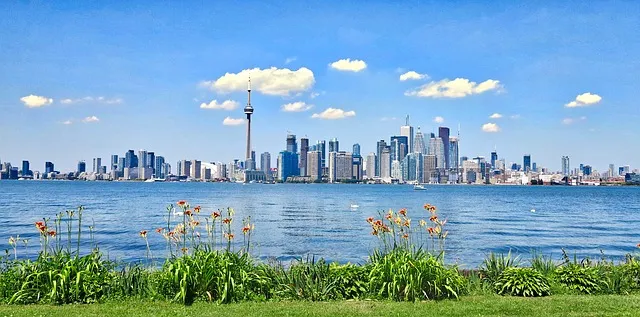
Ontario is home to the largest number of Ukrainians by absolute population, largely due to its economic opportunities. Toronto hosts one of the most diverse Ukrainian communities in Canada. Ukrainians live across the city and surrounding areas such as Etobicoke, North York, Mississauga and Vaughan. The Hyde Park area is particularly notable, with its monument to Taras Shevchenko where Ukrainian speech can be heard regularly. Toronto is a centre for Ukrainian media, professional networks, churches, student organizations and even a museum of Ukrainian culture. The University of Toronto has a department dedicated to studying the cultural heritage of Ukrainians. For more details on life in the city, see our guide to Ukrainians in Toronto.
Ottawa, as the capital of Canada, has an active Ukrainian community involved in diplomacy, public service and advocacy related to Ukraine.
Quebec, Atlantic Canada and Northern Regions
Quebec has a smaller Ukrainian population compared to Ontario and Western Canada, but cities like Montreal have seen notable growth in recent years. Ukrainians in Quebec often work in education, technology and cultural sectors, adapting to the province's bilingual (French-English) environment.
While Ukrainian populations are smaller in the Atlantic provinces such as Nova Scotia and New Brunswick, recent immigration programmes and refugee resettlement have contributed to gradual growth. British Columbia, on the Pacific coast, also hosts a significant Ukrainian community drawn by the province's international trade, natural resources and milder coastal climate.
Some Ukrainians are settling in northern regions for work in natural resources and specialized industries, though these populations remain small. The Northwest Territories, for example, have a Ukrainian community of about 3.4% of the local population, complete with their own community centre, school and church.
Cultural and Community Infrastructure
Across Canada, Ukrainians maintain a strong network of cultural and community institutions. These include Orthodox and Greek Catholic churches that serve as spiritual and social centres, cultural centres and museums preserving Ukrainian heritage, Ukrainian language schools teaching the next generation, youth and student organizations like PLAST and the Ukrainian Youth Association, and media outlets including radio programmes, online platforms and print publications.
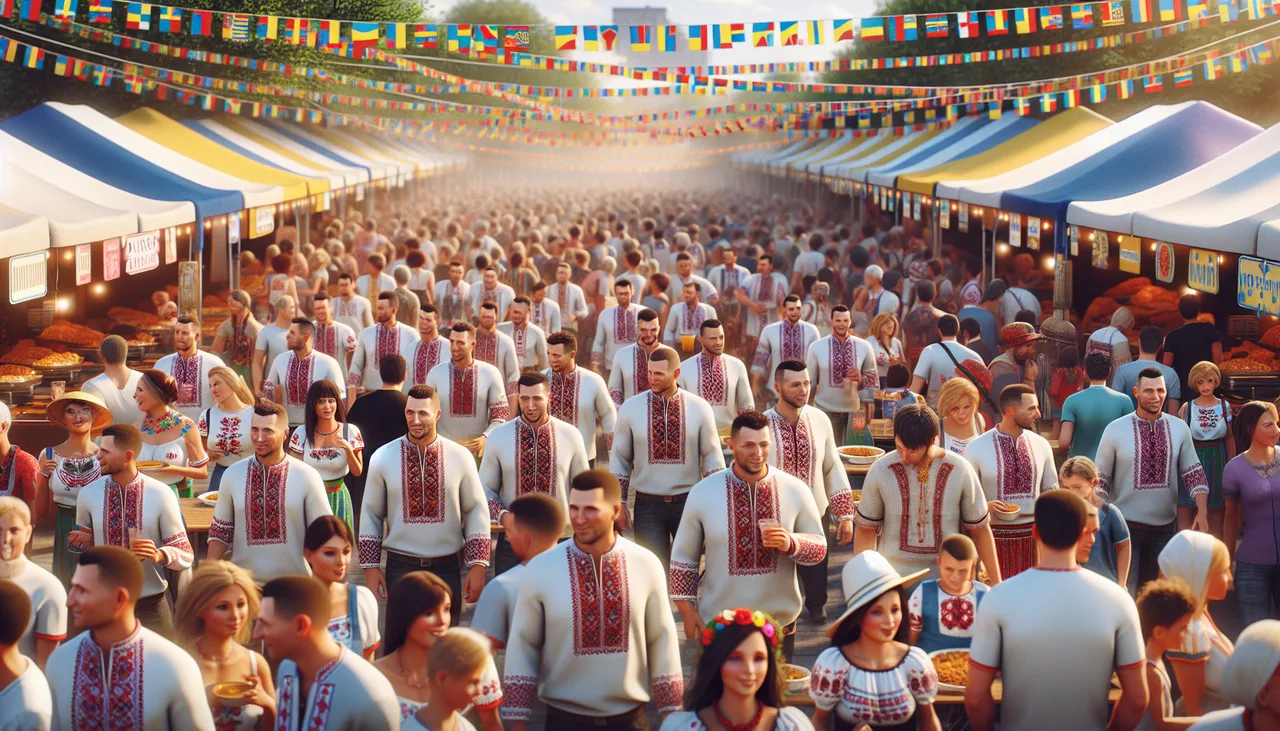
The Ukrainian diaspora is very large and has a very strong political influence on domestic and international events. People maintain dance groups, small chamber theatres, their own stores and their own national cuisine restaurants. Every summer, cultural festivals draw thousands of participants and visitors. The annual "Ukrainian Day" harvest festival in places like Vegreville, Alberta can attract up to 10,000 visitors.
These institutions help preserve identity while supporting integration into Canadian society. The community is united by a shared commitment to maintaining Ukrainian heritage while fully participating in Canadian civic, economic and cultural life. For a comprehensive overview of how Ukrainians integrate into Canadian society at both the cultural and institutional level, see our dedicated guide.
Common Mistakes When Choosing a City
Newcomers often make avoidable errors when selecting where to settle in Canada. Choosing only based on city size, rather than matching professional skills to local industry demand, is a frequent mistake. Overlooking the cultural infrastructure available in smaller cities with strong Ukrainian communities, such as Edmonton or Winnipeg, in favour of more expensive cities like Toronto or Vancouver can lead to higher costs and slower integration. Failing to research provincial immigration programmes, which may offer faster processing or better support in certain regions, is another common oversight. Ignoring climate differences between coastal cities (milder) and prairie cities (harsher winters) can also cause significant adjustment difficulties.
Regional Distribution Comparison
| Region | Key Cities | Community Size | Key Institutions | Best Known For |
|---|---|---|---|---|
| Alberta | Edmonton, Calgary | 332,000 | Churches, museums, bilingual schools | Unofficial Ukrainian capital |
| Ontario | Toronto, Ottawa | 336,000 | Media, universities, professional networks | Largest urban population |
| Manitoba | Winnipeg | 167,000 | Cultural centres, schools, political orgs | Historic cultural hub |
| Saskatchewan | Saskatoon, Regina | 129,000 | Farming cooperatives, churches | Agricultural traditions |
| British Columbia | Vancouver, Victoria | 197,000 | Trade associations, cultural groups | Mild climate, trade links |
| Quebec | Montreal | 32,000 | Student organizations, tech communities | Bilingual environment |
The Five Waves of Ukrainian Immigration
The history of the Canadian Ukrainian community is best understood through five distinct waves of immigration, each shaped by different circumstances in Ukraine and different reception conditions in Canada. Together, these waves have built what is now the largest Ukrainian diaspora in the world relative to national population, with over 1.3 million people of Ukrainian descent calling Canada home. Each wave brought its own demographic profile, settlement patterns and lasting contributions to Canadian society.
Wave 1 (1891-1914): The Pioneer Farmers
The first major wave of Ukrainian immigration to Canada began in 1891 and continued until the outbreak of World War I in 1914. During this formative period, approximately 170,000 Ukrainians made the arduous journey across the Atlantic, the vast majority of them peasant farmers from the regions of Galicia and Bukovyna in the Austro-Hungarian Empire. These were people fleeing desperate poverty, land shortages and semi-feudal conditions that left little hope for economic advancement in their homeland.
The Canadian government, eager to populate and cultivate its vast western prairies, actively recruited these settlers through agents in Europe. The promise of free homestead land, typically 160-acre quarter-sections under the Dominion Lands Act, proved irresistible to families who had farmed tiny plots in the old country. Upon arrival, these Canadian Ukrainian pioneers established bloc settlements across the prairies of Alberta, Saskatchewan and Manitoba, creating communities that would preserve their language, Orthodox and Greek Catholic religious traditions, and agricultural practices for generations. The physical and cultural landscape of the Canadian prairies was permanently transformed by this first wave, with distinctive onion-domed churches, community halls and farming cooperatives becoming defining features of the region. For a detailed account of how these early settlers shaped the country, see our article on Ukrainian immigration history in Canada.
Wave 2 (1920s): Post-War Refugees and Workers
The second wave of Ukrainian immigration, spanning roughly from 1920 to 1930, brought approximately 70,000 newcomers to Canada. These immigrants were predominantly refugees displaced by the devastating aftermath of World War I, the collapse of the Austro-Hungarian and Russian empires, the brief but turbulent period of Ukrainian independence (1917-1921) and the subsequent Soviet takeover of eastern Ukraine. Unlike the predominantly rural first wave, many second-wave immigrants settled in urban centres, particularly Toronto, Montreal and Winnipeg, where they took industrial and manufacturing jobs.
This wave was notable for its political diversity and organizational energy. Immigrants of this period founded numerous cultural, educational and political organizations that would become the institutional backbone of the Canadian Ukrainian community. Labour unions, reading societies, cooperative movements and political clubs all flourished during this era. The second wave also saw the establishment of Ukrainian-language newspapers and publishing houses that helped maintain linguistic and cultural identity across the growing diaspora. These institutions laid the groundwork for what would become the largest Ukrainian diaspora network in the Western Hemisphere.
Wave 3 (1947-1955): The Displaced Persons
The third wave of approximately 35,000 Ukrainians arrived in Canada between 1947 and 1955, consisting primarily of displaced persons (DPs) who had survived the catastrophe of World War II and refused to return to Soviet-controlled Ukraine. This wave was demographically distinct from its predecessors in that it included a much higher proportion of educated professionals, including engineers, doctors, lawyers, academics, artists, writers and former military officers. Many had been active in the Ukrainian independence movement and carried with them a fierce anti-Soviet political orientation.
The third-wave immigrants made outsized contributions to the intellectual and institutional life of the Canadian Ukrainian community. They established new churches, schools and youth organizations, founded academic programmes in Ukrainian studies at Canadian universities and created sophisticated cultural institutions including theatres, choirs and publishing operations. Their political activism was instrumental in keeping the cause of Ukrainian independence alive during the Cold War, and they played a leading role in lobbying the Canadian government to recognize the Holodomor, the Soviet-engineered famine of 1932-1933 that killed millions of Ukrainians, as genocide.
Wave 4 (1991-2014): Post-Independence Migrants
Following Ukraine's declaration of independence in 1991, a new stream of immigration began flowing to Canada. Unlike previous waves driven primarily by war, persecution or famine, the fourth wave was largely composed of economic migrants, professionals and students seeking better opportunities in a stable Western democracy. These newcomers were typically younger, better educated and more globally connected than their predecessors. Many were IT professionals, scientists, healthcare workers and entrepreneurs who integrated quickly into Canada's knowledge economy.
Fourth-wave immigrants tended to settle in major urban centres, especially Toronto, Ottawa, Vancouver and Calgary, where professional opportunities were greatest. Their arrival coincided with Canada's growing multiculturalism policies and a more welcoming immigration framework, making their integration somewhat smoother than that experienced by earlier waves. This generation of Canadian Ukrainian immigrants maintained strong ties to independent Ukraine and played an important role in building business, academic and cultural bridges between the two countries.
Wave 5 (2022-Present): War Refugees and the CUAET Programme
The fifth and most recent wave of Ukrainian immigration was triggered by Russia's full-scale invasion of Ukraine in February 2022. In response, the Canadian government launched the Canada-Ukraine Authorization for Emergency Travel (CUAET) programme, which provided temporary residence to Ukrainians fleeing the conflict. This programme, unprecedented in its speed and scale, has brought more than 200,000 Ukrainians to Canada, making it by far the largest single wave of Ukrainian immigration in the country's history. For comprehensive details about this programme and its impact, see our article on CUAET and Ukrainian immigration in 2026.
The fifth wave has settled predominantly in Ontario, Alberta and British Columbia, drawn by existing community networks, employment opportunities and settlement services. Unlike previous waves, these newcomers have arrived with smartphones, social media connections and real-time awareness of events in Ukraine, creating a diaspora experience qualitatively different from anything that came before. Many fifth-wave arrivals remain uncertain about whether their stay in Canada will be permanent or temporary, and the long-term demographic and cultural impact of this wave on the Canadian Ukrainian community is still unfolding. What is certain is that the fifth wave has reinvigorated Ukrainian cultural life in Canada, introduced a new generation of Ukrainian speakers into the community and strengthened the already deep bonds between Canada and Ukraine.
Ukrainian-Canadian Political Influence
The political influence of the Canadian Ukrainian community is one of the most remarkable aspects of this diaspora's story. With over 1.3 million people of Ukrainian descent, the community constitutes a significant voting bloc, particularly in the prairie provinces and in suburban ridings across Ontario. Over more than a century, Ukrainian Canadians have moved from the margins of political life to its very centre, producing cabinet ministers, premiers, members of Parliament and senators who have shaped the country's domestic and foreign policy.
Pioneering Political Figures
The trajectory of Ukrainian-Canadian political engagement is embodied in several trailblazing figures. Michael Starr, born Mykhailo Starchevsky in Copper Cliff, Ontario in 1910, became the first Canadian Ukrainian to serve as a federal cabinet minister when he was appointed Minister of Labour by Prime Minister John Diefenbaker in 1957. Starr's appointment was a watershed moment, demonstrating that the children and grandchildren of Ukrainian immigrants could reach the highest levels of Canadian governance. His service opened doors for subsequent generations of Ukrainian-Canadian politicians.
In provincial politics, Ed Stelmach made history in 2006 when he became Premier of Alberta, one of Canada's wealthiest and most politically influential provinces. A third-generation Canadian Ukrainian from a farming family near Vegreville, Stelmach's rise to the premiership illustrated the deep integration of Ukrainian Canadians into the prairie political establishment. His tenure as premier (2006-2011) coincided with Alberta's oil boom and demonstrated the community's transition from agricultural settlers to participants in every sector of the modern economy.
Borys Wrzesnewskyj, who served as a Liberal Member of Parliament for Etobicoke Centre from 2004 to 2011 and again from 2015 to 2019, became one of the most vocal advocates for Ukrainian causes in the Canadian Parliament. He consistently raised issues of human rights in Ukraine, pushed for Holodomor recognition and advocated for stronger Canada-Ukraine bilateral relations. His work exemplified how Ukrainian-Canadian politicians could leverage their positions to advance both Canadian and Ukrainian interests simultaneously.
Chrystia Freeland and the Modern Era
No discussion of Ukrainian-Canadian political influence would be complete without Chrystia Freeland, arguably the most prominent Canadian Ukrainian politician in the country's history. Born in Peace River, Alberta to a Ukrainian-Canadian mother and a farming family with deep roots in the prairie Ukrainian community, Freeland rose through the ranks of Canadian politics to become Minister of Foreign Affairs (2017-2019) and then Deputy Prime Minister and Minister of Finance (2019-2024). Her Ukrainian heritage was not merely biographical detail but an active element of her political identity, influencing Canada's strong stance against Russian aggression and its support for Ukrainian sovereignty.
Freeland's prominence on the world stage, particularly her role in negotiating trade agreements and coordinating Western sanctions against Russia, brought unprecedented visibility to the Canadian Ukrainian community. Her career demonstrated that the values instilled by the Ukrainian diaspora, including a commitment to democratic governance, resistance to authoritarianism and advocacy for human rights, had become mainstream Canadian political values.
The Ukrainian Canadian Congress and Institutional Advocacy
Beyond individual politicians, the organized political infrastructure of the Ukrainian-Canadian community has been a powerful force in shaping Canadian policy. The Ukrainian Canadian Congress (UCC), founded in 1940, serves as the primary representative body for the largest Ukrainian diaspora community in the country. The UCC coordinates advocacy efforts across federal and provincial levels, maintains relationships with all major political parties and mobilizes community engagement on issues ranging from immigration policy to international affairs.
One of the UCC's most significant achievements was the successful campaign to secure official Canadian recognition of the Holodomor as genocide. This effort, which culminated in the passage of the Ukrainian Famine and Genocide ("Holodomor") Memorial Day Act in 2008, required decades of sustained lobbying, public education and coalition-building. The legislation established the fourth Saturday of every November as Holodomor Memorial Day in Canada, ensuring that the memory of this atrocity would be permanently embedded in the country's commemorative calendar.
Since Russia's full-scale invasion of Ukraine in 2022, the political influence of the Canadian Ukrainian community has reached new heights. The UCC and allied organizations played a central role in advocating for the CUAET emergency immigration programme, pushing for military aid to Ukraine and organizing humanitarian relief efforts. Canada's position as one of the strongest international supporters of Ukraine, including its provision of military equipment, training programmes and financial assistance, reflects in no small part the effective advocacy of its Ukrainian diaspora. Community organizations such as the Canada-Ukraine Foundation, the League of Ukrainian Canadians and numerous local branches of national organizations have all contributed to this collective effort, demonstrating that the political influence of the Canadian Ukrainian community extends far beyond the ballot box into every dimension of civic engagement.
Frequently Asked Questions
When did the first Ukrainian settlers arrive in Canada?
The first recorded Ukrainian settlers arrived in Canada as early as 1812, after the war with Napoleon. However, the first legal and organized immigration began in 1871, when Ukrainians from Galicia and Bukovina were invited to settle the prairie region.
Why did Ukrainians from Austro-Hungary prefer forested areas in Canada?
In Austro-Hungary, mountain dwellers had to pay semi-feudal taxes on forest land. When they arrived in Canada, they sought forested areas because they valued forest as a source of energy and heat, even though the land was not always ideal for farming.
Which Canadian city is considered the unofficial capital of Ukrainian Canada?
Edmonton, Alberta is often considered the unofficial capital of Ukrainian Canada due to its strong institutional presence, including churches, museums, bilingual schools and cultural festivals deeply rooted in the province.
Where do Ukrainians live in the Toronto area?
In the Greater Toronto Area, Ukrainians live across the city and surrounding suburbs including Etobicoke, North York, Mississauga and Vaughan. The Hyde Park area is notable for its monument to Taras Shevchenko, and Ukrainian speech is commonly heard there.
Is there a Ukrainian studies department at the University of Toronto?
Yes, the University of Toronto has a department dedicated to studying the cultural heritage of Ukrainians, offering academic programmes and research on Ukrainian history, language and diaspora studies.
What is the Ukrainian community like in Edmonton?
Edmonton is often considered the unofficial capital of Ukrainian Canada. The city has a strong Ukrainian institutional presence with churches, museums, bilingual schools, cultural festivals and the Ukrainian Cultural Heritage Village. Alberta hosts approximately 332,000 residents of Ukrainian origin, making it one of the largest concentrations in the country.
How do Ukrainian community organizations help newcomers in Canada?
Ukrainian community organizations across Canada provide essential settlement services including language classes, employment assistance, housing referrals, legal advice and cultural orientation. Key organizations include the Ukrainian Canadian Congress, the Canadian Ukrainian Immigrant Aid Society and various local church communities that run volunteer support networks.